





579 Views
$500
Alvin
Available for: Pickup, Local Delivery
About Alvin
All listing information is self-reported. Verify information before conducting business. Learn how to verify information before buying
3 male german shepherd pups 9 weeks old 315-879-7262 text
Coat Colors:
Coat Pattern:
Black & Tan
Why I stand out
Vaccinated
 Vaccinated
Veterinary exam
 Veterinary exam
About The Seller

Kelsey Road kennel
Member for
3 years
ID Not Verified by iDenfy
Email Address Verified
Phone Number Verified
Licenses
None for USDA
State not required
Other Contacts

Frequently Asked Questions
About
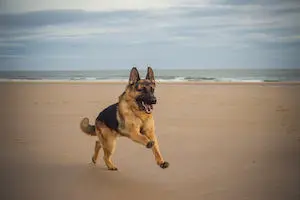
German Shepherd Dog
Puppies
What is a German Shepherd Dog like?
With a star-studded history and loving yet protective personality, it’s easy to understand why German Shepherd Dogs are one of the most popular breeds around. These pups possess the perfect blend of gentle love and fierce watchfulness. As long as you’re safe and content, they will be too. Full-grown, they typically weigh 50-90 pounds and stand 22-26 inches tall.
How are German Shepherd Dogs with other pets?
German Shepherd Dogs are generally excellent with children of all ages. German Shepherd Dogs are ultra territorial, making them among the least likely of breeds to run away from a fight. German Shepherds get along fine with children and other animals, as long as they’ve been socialized, and they prefer to live in a home with family around. They're moderate barkers — they'll alert you when something's up but aren't excessive.
Do German Shepherd Dogs need a lot of physical activity?
German Shepherd Dogs are happiest when they’re doing some type of work, such as agility, obedience, or any activity that taps into their herding instincts. This breed enjoys helping and having a job to do, so they're often used as guide dogs and police dogs. No matter what the activity is, be sure to keep your German Shepherd busy with mental and physical activities to prevent boredom. Overall, their exercise needs are very high.
Are German Shepherd Dogs high-maintenance when it comes to grooming?
There are three varieties of German Shepherds: coarse and short-haired, coarse and long-haired, and wavy and long-haired. The most common dogs are tan with a black back and mask, but German Shepherds come in a variety of colors, including solid black, grey, brown, and yellow, tricolor, or sable. They also have several kinds of markings, such as “pencilling” (black lines on the toes) and “tar heels” (black on the back of the leg). Grooming-wise, this breed is low-maintenance.
What should first-time owners know about German Shepherd Dogs?
German Shepherd Dogs are best suited for a home with a yard, though they can adapt to apartment life with enough exercise. German Shepherds get along fine with children and other animals, as long as they’ve been socialized, and they prefer to live in a home with family around. However, they don’t enjoy being with other dogs and would prefer to have the house to themselves. They are highly trainable and eager to learn.
Frequently Asked Questions
About
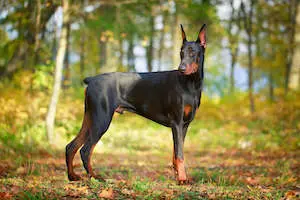
Doberman Pinscher
Puppies
What's it like owning a Doberman Pinscher?
As the quintessential guard dog, Doberman Pinschers are fearless, honorable, and devoted to keeping you safe. “Dobes,” as they’re called, have a fierce loyalty but need a dominant owner to show them who’s boss. Bond with them in the beginning, and they’ll be your best friend for life. Full-grown, they typically weigh 60-100 pounds and stand 24-28 inches tall.
How are Doberman Pinschers with other pets?
Doberman Pinschers are generally excellent with children of all ages. If properly socialized as puppies, Doberman Pinschers usually get along well with children and other pets. They're moderate barkers — they'll alert you when something's up but aren't excessive.
What kind of exercise do Doberman Pinschers need?
The Doberman Pinscher is no couch potato. These are working dogs that need lots of exercise, not just a walk here and there. They’ll be looking to you for activities that get their heart and mind racing. Overall, their exercise needs are moderate.
How often should I brush a Doberman Pinscher?
The Doberman Pinscher has a short coat that’s stiff yet smooth to the touch. They come in black, brown, or fawn, with black and tan as the most common colors. Their muzzles, legs, feet, and chest often have tan markings too. Grooming-wise, this breed is low-maintenance.
What living situation works for a Doberman Pinscher?
Doberman Pinschers are best suited for apartments and smaller homes. Dobes aren’t suited for apartment life, as they need plenty of space and exercise. Give them large spaces to run and roam so they get enough activity. They are highly trainable and eager to learn.

Puppy Buyer's FAQ
See Full Guide Here
Visit or Video Call the Breeder
Visit in person if possible, or request a live video call to meet the puppy, see its living conditions, and meet the mom. Ask to see where the dogs eat, sleep, and play.
Get a Vet Exam Immediately
Have a vet examine the puppy within two days of bringing it home, even if it seems healthy.
Request Complete Health Records
Ask for vaccination records, deworming history, and vet exam results. For purebreds, ask for parent health clearances.
Get Everything in Writing
Written contract with health guarantees, return/refund policy, and spay/neuter terms. Verbal promises are unenforceable.
Use Secure Payment Methods
Pay with a credit card or another traceable method that offers buyer protection. Avoid wire transfers, crypto, or gift cards, which are difficult to recover.
Verify Breeder Credentials
Check USDA license, state breeder license, breed club memberships, and reviews. Ask for buyer references.
Know What to Look For
A trustworthy breeder welcomes visits, specializes in one or two breeds, prices fairly, and gives you time to decide without pressure.
Know Your State's Laws
Some states have lemon laws; others rely on contract law. Know your rights before you buy.