


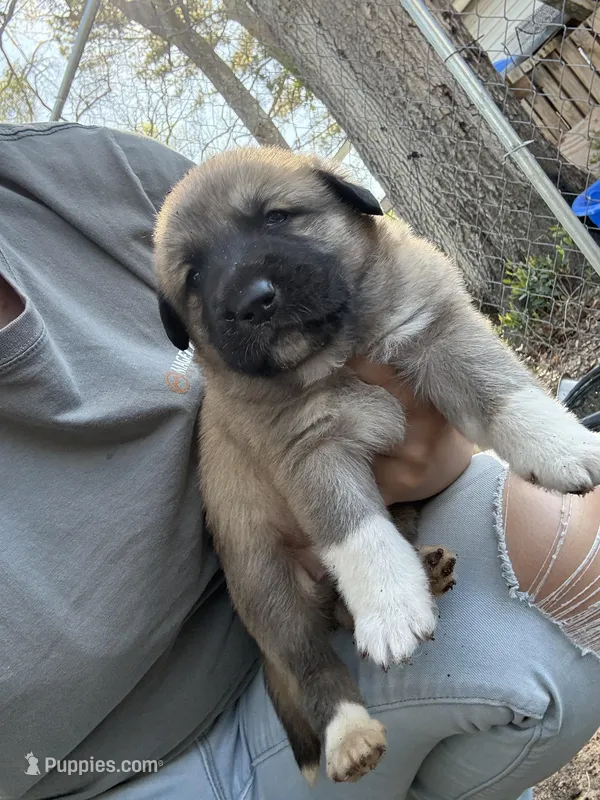
2 Photos


$100
Max
Available for: Pickup
About Max
All listing information is self-reported. Verify information before conducting business. Learn more here
Will have first round of shots by 6 weeks old
Coat Colors:
Black
Medium Brown
Coat Pattern:
Bicolor
Why I stand out
About The Seller

Jorja Smith
Member for
1 year
ID Not Verified by iDenfy
Email Address Verified
Phone Number Verified
Licenses
None for USDA
State licensed

Frequently Asked Questions
About Great Pyrenees Puppies
About Great Pyrenees Puppies
How would you describe a Great Pyrenees?
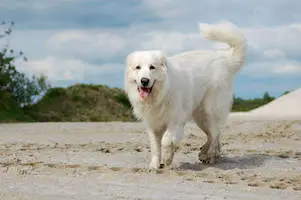
This stunning white dog is as beautiful as their mountainous homeland. Great Pyrenees are loving, large, and in charge. They’re a gentle, family-oriented dog most of the time, but will step in to protect their “flock” if danger is near. Full-grown, they typically weigh 85-115 pounds and stand 25-32 inches tall.
How do Great Pyreneess behave around young children?
Great Pyreneess are generally okay with older children who know how to handle dogs. This breed can be a good friend to any dog, animal, child, or visitor. Great Pyrenees may be initially uncomfortable with unknown people and pets, but they become more comfortable over time, especially if they’re socialized early. They're moderate barkers — they'll alert you when something's up but aren't excessive.
What activities do Great Pyreneess enjoy most?
Great Pyrenees need a fair amount of daily exercise, including at least a leashed walk or playtime in a large yard. This breed is known for running away when off-leash, so make sure all play areas are fenced and secured. Many Great Pyrenees also like swimming and hiking, particularly in cold weather. Overall, their exercise needs are very high.
Are Great Pyreneess high-maintenance when it comes to grooming?
Great Pyrenees have a double coat of weather-resistant hair. Their outer coat is long, flat, and thick, with coarse hairs that are straight or slightly wavy. The undercoat is dense, fine, and wooly. Grooming-wise, this breed is low-maintenance.
Can a Great Pyrenees live in an apartment?
Great Pyreneess are best suited for a house with a good-sized yard. The heat may irritate their skin, so they’re better suited for cold climates or indoor spaces. Great Pyrenees are big dogs that enjoy moderate amounts of activity, so they prefer homes over apartments or small spaces. They are moderately trainable with consistent effort.

Frequently Asked Questions
About Labrador Retriever Puppies
About Labrador Retriever Puppies
What's it like owning a Labrador Retriever?
Labrador Retrievers are multi-talented dogs that love people and being active. They come in three colors: black, yellow, and chocolate and are extremely popular for their versatility and friendly disposition. Full-grown, they typically weigh 55-80 pounds and stand 21-25 inches tall.
Are Labrador Retrievers safe around children?
Labrador Retrievers are generally excellent with children of all ages. They don’t do well with being forced to live outside away from their people family, so you should plan to have them living in your house with you. Labrador Retrievers usually get along alright with any feline friends that also call your place home, and they tend to play nice with other dogs as well. They're moderate barkers — they'll alert you when something's up but aren't excessive.
How active are Labrador Retrievers on a daily basis?
Labrador Retrievers are happiest when they get about an hour of exercise every day. You can split that exercise up into morning and evening sessions, but you’ll find that when they’re worn out from exercise they behave a little better at home. People love Labrador Retrievers because they’re up for all types of activities and are exceptionally talented in many arenas. Overall, their exercise needs are very high.
What should I expect with Labrador Retriever shedding?
Labrador Retrievers have a short-medium length coat that will require brushing once or twice a week. There’s no way around it: Labrador Retrievers shed a lot. The more you brush them, the less they’ll shed around your house, but there’s no way to get it all. Grooming-wise, this breed is low-maintenance.
Where do Labrador Retrievers do best — city or country?
Labrador Retrievers are best suited for a house with a good-sized yard. Labrador retrievers can live happily in almost any type of home as long as they get their exercise. They don’t do well with being forced to live outside away from their people family, so you should plan to have them living in your house with you. They are highly trainable and eager to learn.

Puppy Buyer's FAQ
See Full Guide Here
See Full Guide Here
Visit or Video Call the Breeder
Visit in person if possible, or request a live video call to meet the puppy, see its living conditions, and meet the mom. Ask to see where the dogs eat, sleep, and play.
Get a Vet Exam Immediately
Have a vet examine the puppy within two days of bringing it home, even if it seems healthy.
Request Complete Health Records
Ask for vaccination records, deworming history, and vet exam results. For purebreds, ask for parent health clearances.
Get Everything in Writing
Written contract with health guarantees, return/refund policy, and spay/neuter terms. Verbal promises are unenforceable.
Use Secure Payment Methods
Pay with a credit card or another traceable method that offers buyer protection. Avoid wire transfers, crypto, or gift cards, which are difficult to recover.
Verify Breeder Credentials
Check USDA license, state breeder license, breed club memberships, and reviews. Ask for buyer references.
Know What to Look For
A trustworthy breeder welcomes visits, specializes in one or two breeds, prices fairly, and gives you time to decide without pressure.
Know Your State's Laws
Some states have lemon laws; others rely on contract law. Know your rights before you buy.