





7 Views
$400
Butters
Available for: Pickup
About Butters
All listing information is self-reported. Verify information before conducting business. Learn how to verify information before buying
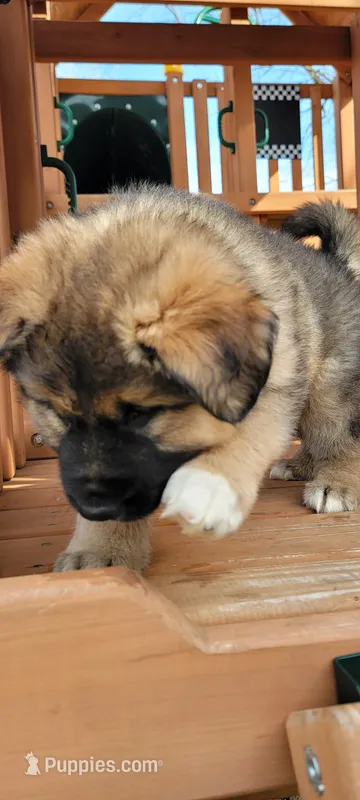
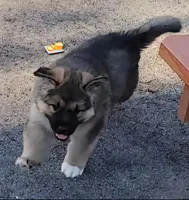
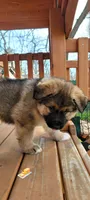
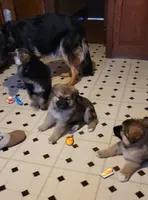
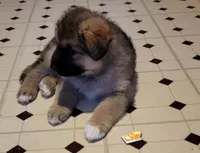
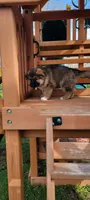
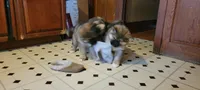
Butters is an Alaskan Shepherd, mom is German Shepherd, dad is Alaskan Malamute. He is definitely a big butterball, with more the malamute build and face shape. Very fluffy boy, he will probably be 100+ lbs fully grown. His personality is the sweetest of the litter. He's the first to come over and lay by me after playing, patiently waiting for me to notice and pet him. Honestly, he's my favorite and I want to keep him so much, but hubby says no. Anyways. He's been raised as part of our family, around kids and vaccuums and cats and guinea pigs. He is doing excellent with potty training. His favorites activites are chewing on his stufty toys, and on slippers if he can, and pouncing on his sisters. He is a very healthy pup, and his mom got great prenatal care. He eats raw grass-fed beef & organs, chicken, and salmon along with his puppy kibble. He sploots too, which can be an early indicator of good joints. No shipping him. Dewormed at 6 weeks and again at 8 weeks.
Coat Colors:
Black
Medium Brown
Cream
Coat Pattern:
Tricolor
Why I stand out
Health guarantee
 Health guarantee
About The Seller

Amanda Baldwin
Member for
2 years
ID Not Verified by iDenfy
Email Address Verified
Phone Number Verified
Licenses
None for USDA
None for State


Frequently Asked Questions
About
German Shepherd Dog
Puppies
What is a German Shepherd Dog like?
With a star-studded history and loving yet protective personality, it’s easy to understand why German Shepherd Dogs are one of the most popular breeds around. These pups possess the perfect blend of gentle love and fierce watchfulness. As long as you’re safe and content, they will be too. Full-grown, they typically weigh 50-90 pounds and stand 22-26 inches tall.
How are German Shepherd Dogs with other pets?
German Shepherd Dogs are generally excellent with children of all ages. German Shepherd Dogs are ultra territorial, making them among the least likely of breeds to run away from a fight. German Shepherds get along fine with children and other animals, as long as they’ve been socialized, and they prefer to live in a home with family around. They're moderate barkers — they'll alert you when something's up but aren't excessive.
Do German Shepherd Dogs need a lot of physical activity?
German Shepherd Dogs are happiest when they’re doing some type of work, such as agility, obedience, or any activity that taps into their herding instincts. This breed enjoys helping and having a job to do, so they're often used as guide dogs and police dogs. No matter what the activity is, be sure to keep your German Shepherd busy with mental and physical activities to prevent boredom. Overall, their exercise needs are very high.
Are German Shepherd Dogs high-maintenance when it comes to grooming?
There are three varieties of German Shepherds: coarse and short-haired, coarse and long-haired, and wavy and long-haired. The most common dogs are tan with a black back and mask, but German Shepherds come in a variety of colors, including solid black, grey, brown, and yellow, tricolor, or sable. They also have several kinds of markings, such as “pencilling” (black lines on the toes) and “tar heels” (black on the back of the leg). Grooming-wise, this breed is low-maintenance.
What should first-time owners know about German Shepherd Dogs?
German Shepherd Dogs are best suited for a home with a yard, though they can adapt to apartment life with enough exercise. German Shepherds get along fine with children and other animals, as long as they’ve been socialized, and they prefer to live in a home with family around. However, they don’t enjoy being with other dogs and would prefer to have the house to themselves. They are highly trainable and eager to learn.
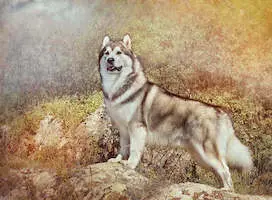
Frequently Asked Questions
About
Alaskan Malamute
Puppies
Are Alaskan Malamutes a good breed to own?
As a friendly and affectionate breed, Alaskan Malamutes’ hearts are bigger than their bite. They make great playmates, especially if it involves digging or tug of war. Malamutes are known for being curious, chatty companions, so get ready for a strenuous workout and an engaging dialogue. Full-grown, they typically weigh 75-85 pounds and stand 23-25 inches tall.
Are Alaskan Malamutes safe around children?
Alaskan Malamutes are generally okay with older children who know how to handle dogs. Alaskan Malamutes usually get along well with kids, especially if the children are older. This breed doesn’t make good watchdogs since they’re so friendly and affectionate, but they seek out companionship and love bonding with their closest people friends. They're fairly vocal dogs that bark regularly.
What's the best way to exercise a Alaskan Malamute?
Aside from their favorite human, exercise is a Malamute’s best friend. They need at least an hour of hard exercise each day to avoid getting bored and into trouble. Malamutes love running, roaming around, and pulling (especially sleighs and wagons), but walking them on a leash can be challenging because of their size. Overall, their exercise needs are high.
Do Alaskan Malamutes shed a lot?
Malamutes have a double coat of thick, coarse hair on the outside and greasy, dense hair underneath. They’re usually pure white or a mix of white and grey, black, red, or sable. Malamutes grow their coat in winter and shed frequently, especially when the weather warms up in spring. Grooming-wise, this breed is moderate.
What kind of home is best for a Alaskan Malamute?
Alaskan Malamutes are best suited for a rural property or home with a large yard. Malamutes don’t mind being outdoors, as long as they get enough human attention. So big yards and tall, deep fences are a must. They are highly trainable and eager to learn.

Puppy Buyer's FAQ
See Full Guide Here
Visit or Video Call the Breeder
Visit in person if possible, or request a live video call to meet the puppy, see its living conditions, and meet the mom. Ask to see where the dogs eat, sleep, and play.
Get a Vet Exam Immediately
Have a vet examine the puppy within two days of bringing it home, even if it seems healthy.
Request Complete Health Records
Ask for vaccination records, deworming history, and vet exam results. For purebreds, ask for parent health clearances.
Get Everything in Writing
Written contract with health guarantees, return/refund policy, and spay/neuter terms. Verbal promises are unenforceable.
Use Secure Payment Methods
Pay with a credit card or another traceable method that offers buyer protection. Avoid wire transfers, crypto, or gift cards, which are difficult to recover.
Verify Breeder Credentials
Check USDA license, state breeder license, breed club memberships, and reviews. Ask for buyer references.
Know What to Look For
A trustworthy breeder welcomes visits, specializes in one or two breeds, prices fairly, and gives you time to decide without pressure.
Know Your State's Laws
Some states have lemon laws; others rely on contract law. Know your rights before you buy.