


5 Views
$550
Cricket
Male,
Born on
01/31/26
- 10 weeks
Available for: Pickup, Local Delivery
About Cricket
All listing information is self-reported. Verify information before conducting business. Learn how to verify information before buying
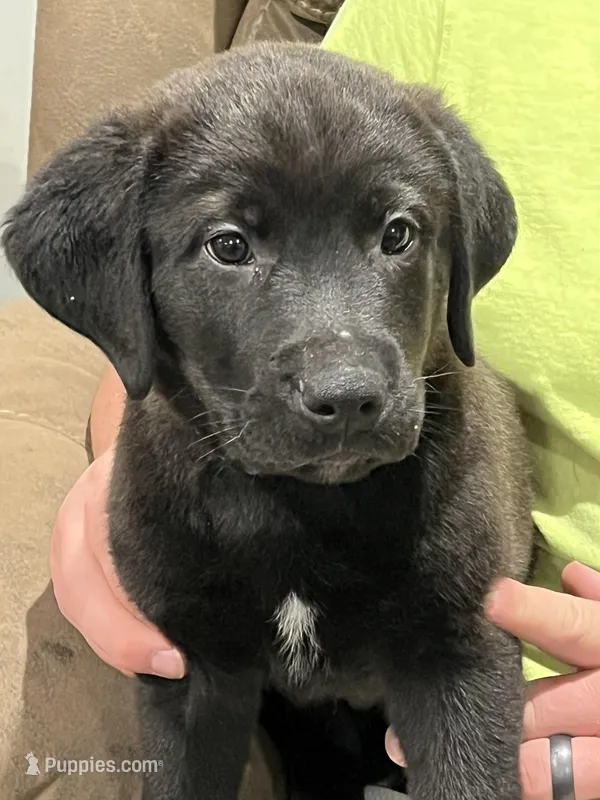
Cricket is black with a brownish tint and has white markings. He is mostly Toller with Rottweiler , mastiff and lab mixed. He is very friendly, sweet, curious, loving, smart and snuggly. He is available for pickup or local delivery.
Coat Colors:
Black
Brown/Chocolate
Coat Pattern:
Solid
Why I stand out
Vaccinated
 Vaccinated
Veterinary exam
 Veterinary exam
Registered
 Registered
About The Seller

Richard Darnley
New Member
ID Not Verified by iDenfy
Email Address Not Verified
Phone Number Verified


Frequently Asked Questions
About
Rottweiler
Puppies
What is a Rottweiler like?
Rottweilers (or “Rotties) may have a bad-to-the-bone reputation, but their diehard protectiveness comes from a positive place. These large and powerful pups make it their mission to keep you safe but are surprisingly calm when they aren’t on high alert. Full-grown, they typically weigh 80-135 pounds and stand 22-27 inches tall.
How do Rottweilers behave around young children?
Rottweilers are generally okay with older children who know how to handle dogs. Socialization is the top priority if your Rottie is going to be around kids or other animals. Rottweilers can be good playmates for children, cats, and pets, but they need to be socialized early and have positive experience when they’re young. They're relatively quiet and don't bark much.
How much exercise does a Rottweiler need?
Rotties need daily exercise to get their energy out and their heart pumping. It’s safe to take them running with you in the open country or the woods, as they don’t like to wander far from their families. Rottweilers are very smart and also love sports like swimming, running beside a bicycle, and playing fetch with a ball. Overall, their exercise needs are moderate.
Is a Rottweiler a good choice for someone with allergies?
The Rottweiler has a distinct outer coat of short, thick, coarse fur with a thick layer of hair underneath. All dogs in this breed are black with brown markings. You may find ones with long hair or white chest markings, but these traits are not as common. Grooming-wise, this breed is low-maintenance.
How much space does a Rottweiler need?
Rottweilers are best suited for a home with a yard, though they can adapt to apartment life with enough exercise. They are highly trainable and eager to learn.

Frequently Asked Questions
About
Nova Scotia Duck Tolling Retriever
Puppies
What is a Nova Scotia Duck Tolling Retriever like?
The Nova Scotia Duck Tolling Retriever is a medium-sized dog with a beautiful red coat. They get their name from their special talent of “tolling” or dancing to attract ducks to hunters. They are very smart and can learn to do many things, but they can be stubborn and require lots of patience. Full-grown, they typically weigh 35-50 pounds and stand 17-21 inches tall.
How do Nova Scotia Duck Tolling Retrievers behave around young children?
Nova Scotia Duck Tolling Retrievers are generally excellent with children of all ages. They typically get along well with other pets and make fast friends with children. They're relatively quiet and don't bark much.
Do Nova Scotia Duck Tolling Retrievers need a lot of physical activity?
Nova Scotia Duck Tolling Retrievers will typically need about an hour of exercise every day. The older they get, the more mellow they become, but you’ll still want to plan on giving them plenty of exercise. They love hunting for ducks and can learn to excel in doggie sports. Overall, their exercise needs are very high.
What's the coat like on a Nova Scotia Duck Tolling Retriever?
Nova Scotia Duck Tolling Retrievers have a beautiful, reddish coat that repels water. You’ll want to brush them at least once a week to get rid of any dead hair and prevent tangles. During periods of heavy shedding, you can brush them more often to cut back on the amount of hair you find in your furniture. Grooming-wise, this breed is low-maintenance.
What kind of home is best for a Nova Scotia Duck Tolling Retriever?
Nova Scotia Duck Tolling Retrievers are best suited for apartments and smaller homes. Plan on having your Nova Scotia Duck Tolling Retriever live in your house with you, or you’ll find that they’ll get unhappy when they are away from you for too long. They are highly trainable and eager to learn.

Puppy Buyer's FAQ
See Full Guide Here
Visit or Video Call the Breeder
Visit in person if possible, or request a live video call to meet the puppy, see its living conditions, and meet the mom. Ask to see where the dogs eat, sleep, and play.
Get a Vet Exam Immediately
Have a vet examine the puppy within two days of bringing it home, even if it seems healthy.
Request Complete Health Records
Ask for vaccination records, deworming history, and vet exam results. For purebreds, ask for parent health clearances.
Get Everything in Writing
Written contract with health guarantees, return/refund policy, and spay/neuter terms. Verbal promises are unenforceable.
Use Secure Payment Methods
Pay with a credit card or another traceable method that offers buyer protection. Avoid wire transfers, crypto, or gift cards, which are difficult to recover.
Verify Breeder Credentials
Check USDA license, state breeder license, breed club memberships, and reviews. Ask for buyer references.
Know What to Look For
A trustworthy breeder welcomes visits, specializes in one or two breeds, prices fairly, and gives you time to decide without pressure.
Know Your State's Laws
Some states have lemon laws; others rely on contract law. Know your rights before you buy.