

4 Photos

244 Views
$559
Willy
Available for: Pickup, Shipping
About Willy
All listing information is self-reported. Verify information before conducting business. Learn more here
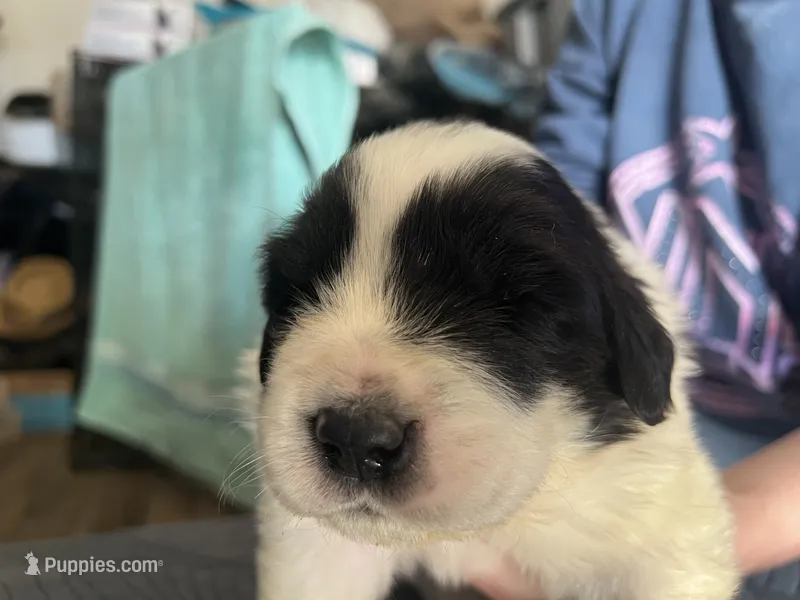
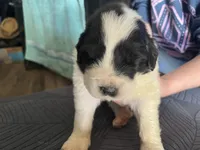
She is mostly white with a few black markings and over both eyes. Fat and happy. She was born on Christmas morning. She will receive shots and deworming at 6 weeks. We require a $250 non refundable deposit.
Coat Colors:
Why I stand out
About The Seller
Marcus Buchanan
Member for
1 year
Licenses
None for USDA
None for State


Frequently Asked Questions
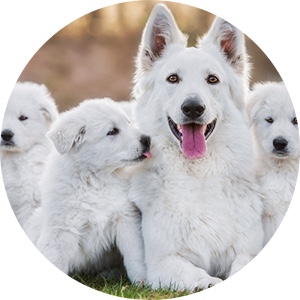
About Great Pyrenees Puppies
About Great Pyrenees Puppies
How would you describe a Great Pyrenees?
This stunning white dog is as beautiful as their mountainous homeland. Great Pyrenees are loving, large, and in charge. They’re a gentle, family-oriented dog most of the time, but will step in to protect their “flock” if danger is near. Full-grown, they typically weigh 85-115 pounds and stand 25-32 inches tall.
How do Great Pyreneess behave around young children?
Great Pyreneess are generally okay with older children who know how to handle dogs. This breed can be a good friend to any dog, animal, child, or visitor. Great Pyrenees may be initially uncomfortable with unknown people and pets, but they become more comfortable over time, especially if they’re socialized early. They're moderate barkers — they'll alert you when something's up but aren't excessive.
What activities do Great Pyreneess enjoy most?
Great Pyrenees need a fair amount of daily exercise, including at least a leashed walk or playtime in a large yard. This breed is known for running away when off-leash, so make sure all play areas are fenced and secured. Many Great Pyrenees also like swimming and hiking, particularly in cold weather. Overall, their exercise needs are very high.
Are Great Pyreneess high-maintenance when it comes to grooming?
Great Pyrenees have a double coat of weather-resistant hair. Their outer coat is long, flat, and thick, with coarse hairs that are straight or slightly wavy. The undercoat is dense, fine, and wooly. Grooming-wise, this breed is low-maintenance.
Can a Great Pyrenees live in an apartment?
Great Pyreneess are best suited for a house with a good-sized yard. The heat may irritate their skin, so they’re better suited for cold climates or indoor spaces. Great Pyrenees are big dogs that enjoy moderate amounts of activity, so they prefer homes over apartments or small spaces. They are moderately trainable with consistent effort.
Frequently Asked Questions
About Newfoundland Puppies
About Newfoundland Puppies
Is a Newfoundland the right dog for me?
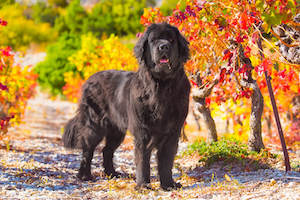
This sweet dog was well-represented in the movie Peter Pan and is the definition of “man’s best friend.” Newfoundlands are sweet, gentle, and devoted to their families. They love exercising (including swimming with their webbed feet), but their favorite activity is snuggling up next to you at the end of the day. Full-grown, they typically weigh 100-150 pounds and stand 26-28 inches tall.
How do Newfoundlands behave around young children?
Newfoundlands are generally excellent with children of all ages. Newfoundland dogs are about as sweet and friendly as they come. This breed will be a good companion to any dog, animal, child, or visitor. They're relatively quiet and don't bark much.
What activities do Newfoundlands enjoy most?
Newfoundlands are active pups that need to get their blood flowing often. They enjoy lots of exercise, particularly if it involves swimming, pulling, or playing in cold weather. The Landseer Newfoundlands may need even more activity than the other varieties. Overall, their exercise needs are moderate.
What should I expect with Newfoundland shedding?
The Newfoundland has a dense, greasy coat that is medium length or long and resistant to water. They can be black or black and white (called “Landseer’”after Edwin Landseer, an English artist whose paintings made this variety popular). You also may see Newfoundlands that are brown or gray, but those varieties are less common. Grooming-wise, this breed is moderate.
What kind of home is best for a Newfoundland?
Newfoundlands are best suited for a home with a yard, though they can adapt to apartment life with enough exercise. Newfoundlands don’t enjoy outdoor life or warm climates, so keep them indoors where they can stay cool and comfortable. Speaking of comfort, they’re known to grow attached to their home and don’t adapt easily to new environments. They are moderately trainable with consistent effort.

Puppy Buyer's FAQ
See Full Guide Here
See Full Guide Here
Visit or Video Call the Breeder
Visit in person if possible, or request a live video call to meet the puppy, see its living conditions, and meet the mom. Ask to see where the dogs eat, sleep, and play.
Get a Vet Exam Immediately
Have a vet examine the puppy within two days of bringing it home, even if it seems healthy.
Request Complete Health Records
Ask for vaccination records, deworming history, and vet exam results. For purebreds, ask for parent health clearances.
Get Everything in Writing
Written contract with health guarantees, return/refund policy, and spay/neuter terms. Verbal promises are unenforceable.
Use Secure Payment Methods
Pay with a credit card or another traceable method that offers buyer protection. Avoid wire transfers, crypto, or gift cards, which are difficult to recover.
Verify Breeder Credentials
Check USDA license, state breeder license, breed club memberships, and reviews. Ask for buyer references.
Know What to Look For
A trustworthy breeder welcomes visits, specializes in one or two breeds, prices fairly, and gives you time to decide without pressure.
Know Your State's Laws
Some states have lemon laws; others rely on contract law. Know your rights before you buy.