


Hip dysplasia is one of the most common orthopedic conditions in dogs, affecting up to 20% of the canine population. For large and giant breed dog owners in particular, understanding this condition — and what can be done to prevent or manage it — is essential to giving your dog the best possible quality of life.
What Is Hip Dysplasia?
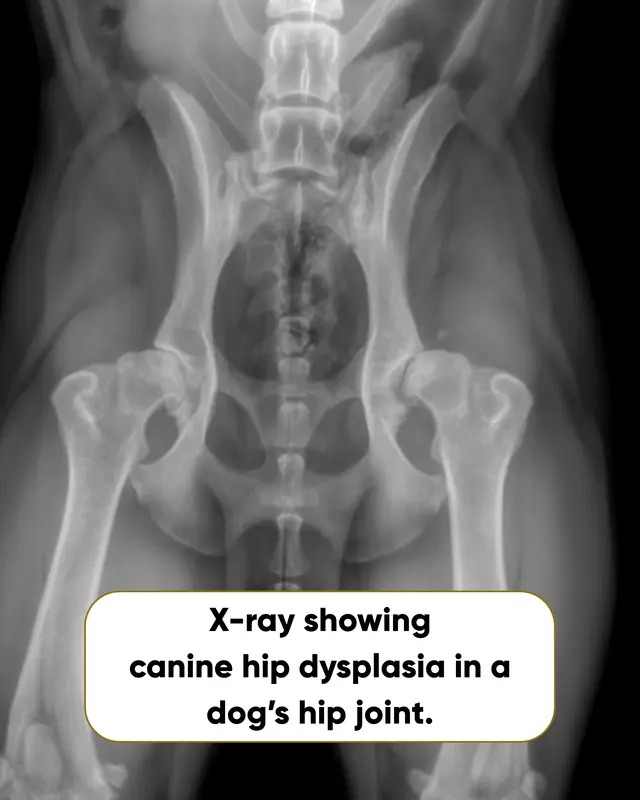
Hip dysplasia is a condition of incongruence and laxity of the coxofemoral joint, more commonly known as the hip joint. The hip is a ball-and-socket joint. The ball is the head of the femur and the socket is the acetabulum, which is part of the pelvis.
Dogs with hip dysplasia are born with normal hips. As they grow, the hip joint becomes too loose, the ball and socket do not fit together properly, or some combination of both occurs. Over time this can lead to gait abnormalities, pain, limping, and debilitating osteoarthritis.
The exact cause of hip dysplasia is unknown, but genetics is believed to play a significant role. Diet, nutrition, growth rate, and the age of spay or neuter may also contribute, though the degree to which each factor plays a role is not yet fully understood.
How to Choose a Breeder Who Tests for Hip Dysplasia
If you are searching for a large or giant breed puppy, one of the most important things you can do is find a breeder who tests their breeding dogs for hip dysplasia. There are two primary screening tests available:
OFA — Orthopedic Foundation for Animals
OFA screening is performed under light to moderate sedation. An X-ray is taken and submitted to OFA, where it is evaluated and graded for conformation quality. This test is generally performed at 24 months or older, when dogs are physically mature.
PennHIP
PennHIP is a quantitative assessment that measures joint laxity and the likelihood of osteoarthritis development. It can be performed as early as 16 weeks of age, though it does require general anesthesia. PennHIP evaluations must be conducted by veterinarians with specific PennHIP training, unlike OFA radiographs, which any veterinarian can perform.
Ortolani Test
Your veterinarian can also perform an Ortolani test — a palpation technique used to determine laxity in the hip joint. A positive Ortolani result indicates inappropriate joint laxity. This test pairs well with OFA or PennHIP testing since it also requires light sedation.
When searching for a breeder on Puppies.com, look for profiles that list OFA or PennHIP certifications on their breeding dogs. Health testing is one important indicator of a breeder's commitment to producing healthy puppies and supporting long-term canine health.
How to Help Prevent Hip Dysplasia After Bringing Your Puppy Home
While there is no guaranteed way to prevent hip dysplasia, there are meaningful steps you can take as a new puppy owner:
🐶 Pup Tip: Feed an appropriate diet. Large-breed puppies have different nutritional needs than small-breed dogs and should eat food specifically formulated for large breeds. Their growth rates differ, and their nutrient requirements reflect that.
🐶 Pup Tip: Do not overfeed. Excessive growth in puppies may increase the likelihood of developing hip dysplasia. Keeping your puppy at an appropriate weight during development matters.
🐶 Pup Tip: Consider the timing of spay or neuter carefully. Studies show that dogs spayed or neutered before 5.5 months of age are more likely to develop hip dysplasia. There is no single perfect age for all dogs, and this is an important conversation to have at your very first puppy veterinary visit. Spay and neuter timing has significant health and behavioral implications, and the right decision is unique to every dog and family.
My Puppy Has Hip Dysplasia — Now What?
If your puppy or young dog has been diagnosed with hip dysplasia, treatment options depend on age and clinical signs.
Surgical options for young dogs:
-
Juvenile Pubic Symphysiodesis (JPS): Can be performed between 10 and 18 weeks of age. The goal is to adjust the angle of the acetabulum so it forms more appropriately over the femoral head.
-
Double or Triple Pelvic Osteotomy (DPO/TPO): For dogs under 10 months of age with hip dysplasia, this procedure adjusts the acetabular angle to improve joint congruence.
If your dog is over 10 months old:
Treatment options depend on your dog's clinical signs. If your dog is comfortable, active, and showing no significant signs of pain or lameness, lifestyle management may be all that is needed. This includes:
-
Weight management
-
Regular low-impact exercise
-
Joint supplementation such as Omega-3 fatty acids or green-lipped mussel supplements
It is worth noting that recent research does not support as much efficacy from glucosamine and chondroitin supplementation as previously believed.
If your dog is showing clinical signs of osteoarthritis, additional treatment options include:
-
Injections
-
Physical therapy
-
Laser therapy
-
Acupuncture
Many dogs maintain comfort and quality of life with one or a combination of these therapies. If your dog struggles with comfort despite medical management, two surgical options exist:
-
Total Hip Replacement: Allows for continued normal function and elimination of pain. Recommended for active dogs.
-
Femoral Head Ostectomy (FHO): Removes the head of the femur, eliminating the joint and therefore the pain. This procedure does not preserve normal function and is not appropriate for working dogs or those doing agility or high-activity sports.
As always, work closely with your veterinarian to determine the best treatment plan for your individual dog.
Hip Dysplasia Summary
Hip dysplasia is a complex and common condition, but it is not a death sentence. With the right breeder, diet, appropriate exercise, and veterinary support, affected dogs can live happy, comfortable, and full lives. If you are searching for a large or giant breed puppy, start with a breeder who prioritizes health testing — it is one of the best investments you can make in your future dog's well-being.
Find health-tested breeders on Puppies.com →
Frequently Asked Questions About Hip Dysplasia
Q: What breeds are most affected by hip dysplasia?
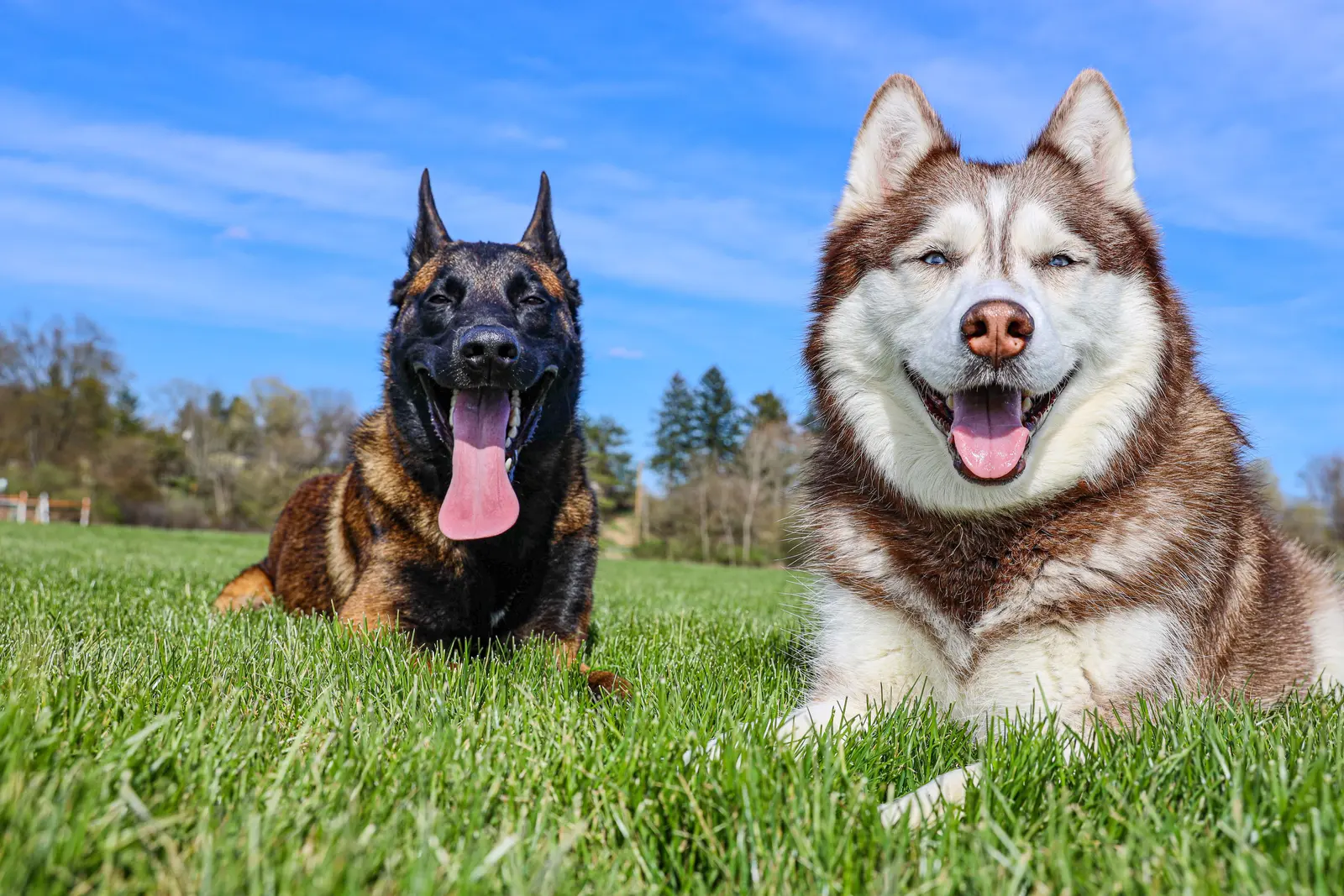
A: Hip dysplasia is most commonly seen in large and giant breeds including German Shepherds, Labrador Retrievers, Golden Retrievers, Rottweilers, Great Danes, and Saint Bernards. However, it can occur in any breed.
Q: Can a puppy be tested for hip dysplasia before I bring them home?
A: PennHIP testing can be performed as early as 16 weeks of age. However, most puppies go home at 8 weeks of age, so pre-purchase testing of the puppy itself is uncommon. What matters most is that the breeder has tested their breeding dogs through OFA or PennHIP.
Q: What are the early signs of hip dysplasia in dogs?
A: Early signs include a swaying or wobbly gait, reluctance to climb stairs or jump, bunny hopping when running, stiffness after rest, and occasional hind leg lameness.
Q: Is hip dysplasia painful for dogs?
A: Yes, hip dysplasia can cause significant pain, particularly as osteoarthritis develops. However, many dogs compensate well in the early stages and may not show obvious signs of discomfort until the condition progresses.
Q: Can hip dysplasia be cured?
A: There is no cure for hip dysplasia, but it can be effectively managed. Many dogs live comfortable, active lives with a combination of weight management, exercise, supplementation, medication, and in some cases surgery.
Q: Does pet insurance cover hip dysplasia treatment?
A: Coverage varies by provider. Fetch Pet Insurance covers breed-specific conditions including hip dysplasia for new conditions diagnosed after enrollment.
🐶 Pup Tip: Puppies.com members receive an exclusive 10% lifetime discount on Fetch policies. Learn more here.
Q: What is the difference between OFA and PennHIP testing?
A: OFA evaluates overall hip conformation and grades the joint quality. It is performed at 24 months or older. PennHIP measures joint laxity quantitatively and can be performed as early as 16 weeks. Both provide valuable information, and responsible breeders may use one or both.
Q: Should I avoid buying a large breed puppy if I'm worried about hip dysplasia?
A: Not necessarily. Many large- and giant-breed dogs live healthy, active lives. To help reduce the risk of inherited hip problems, ask breeders about the health testing they perform on their breeding dogs. For breeds where it's recommended, certifications such as OFA or PennHIP can provide valuable information. You should also ask about the health history of the puppy's parents and discuss the breed with your veterinarian.
About The Author
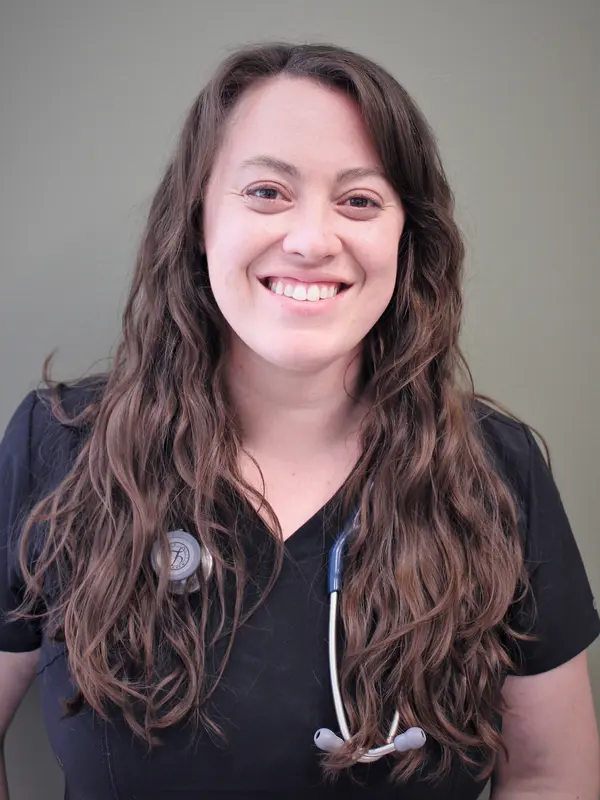
This article was researched and written by Dr. Anne McClanahan, DVM, Four Lakes Veterinary Clinic, Madison, WI. Resident, ACVB. Fear Free Elite Certified.
About Puppies.com
At Puppies.com, we're proud to support responsible breeders who lead with integrity, transparency, and a commitment to healthy, well-socialized puppies. Have questions or need support? Our team is always here to help.
Since 2003, Puppies.com has helped connect millions of puppies with loving families across the country. Finding your perfect puppy is free and easy, and creating an account only takes a few minutes.
Add a little wiggle to your life!®