



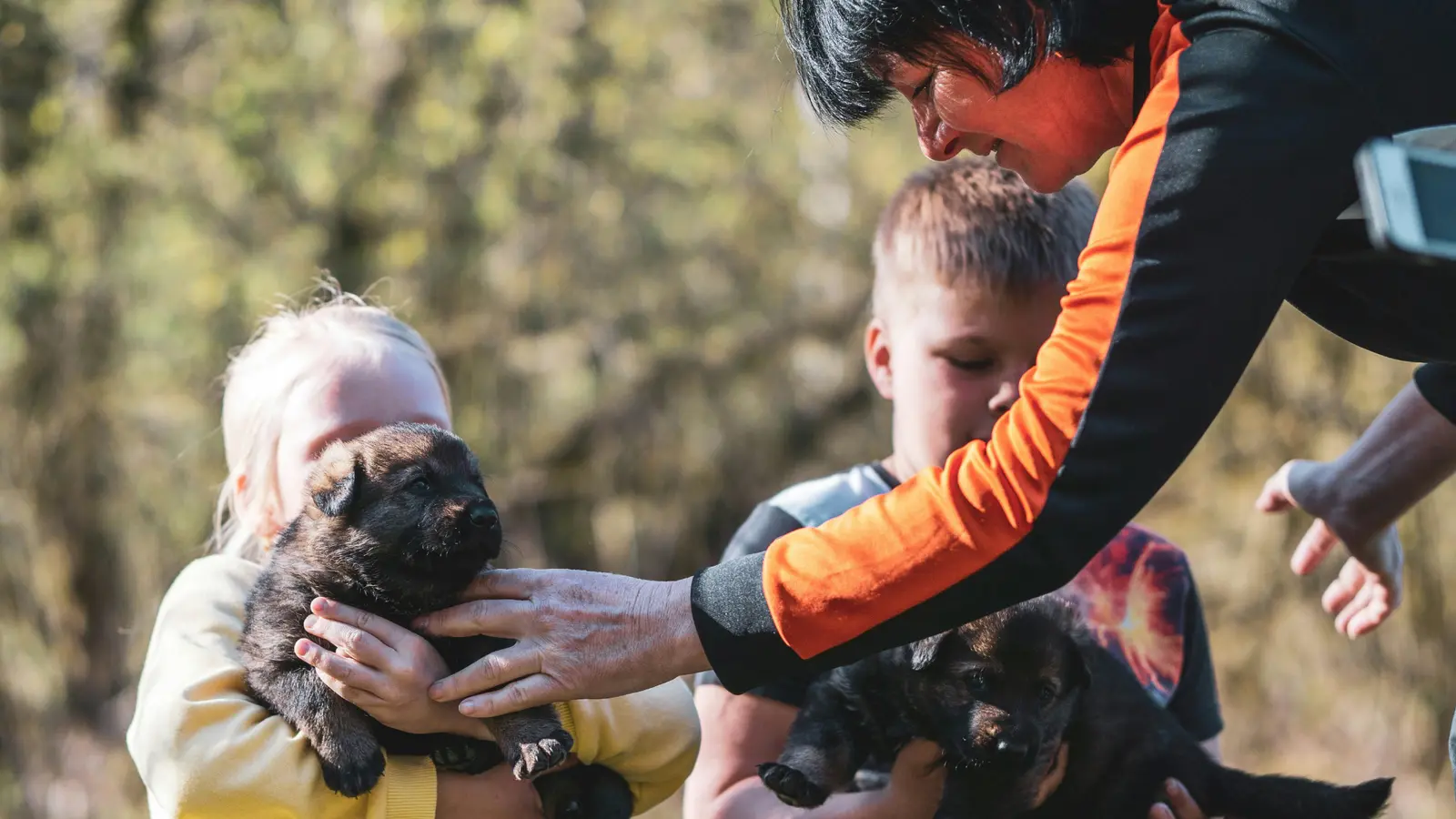
A Puppy's Foundation Starts With Its Breeder
By the time a puppy goes home at eight weeks, a large portion of their behavioral foundation is already in place, whether intentionally or not. As a breeder, you are not just producing puppies. You are shaping the starting point for every behavior that follows, and that is one of the most important things you will ever do for the families who trust you.
The early work you put into your litters will influence much of the quality of life for both the puppy and their future family. This may sound heavy, and that’s because it is. But it also means you have an enormous opportunity to create positive outcomes that last a lifetime. For example, a puppy who experiences limited handling, little environmental variation, and inconsistent maternal care in the first eight weeks is more likely to struggle with fear, frustration, and adaptability later, even if placed in an excellent home.
A Series On And For Breeders
Knowing this, the purpose of this blog series is to help breeders develop processes that set their puppies up for success. In this first post, we’ll outline what breeders can actually control across genetics and the early socialization window. In future posts, we’ll get specific by breaking down development week by week, outlining what to do (and what not to do), and evaluating common protocols based on the scientific literature.
Behavior = Genetics + Learning: Selecting Good Genetics is STEP #1
While most of a dog’s learning happens in their future home, genetics set the boundaries of what that dog is capable of learning and doing. Behavior is not determined by genetics, but genetics will strongly shape what a dog is capable of learning and expressing.
Genetics can influence behavior in several ways:
1. Some behavioral traits are directly influenced by genes. For example, a recent study found that “biddability,” meaning how responsive an individual is to human commands, had a strong genetic component (Morrill et al., 2022). Some genes are also known to be directly associated with aggression and stereotypies (Dodman et al., 2010), and genetics are strongly suspected to influence resource guarding, separation anxiety, and other unwanted behaviors.
2. Genetics may influence behavior through health and wellness. If a dog has poor genetics resulting in pain or discomfort, they are more likely to have behavioral issues. In contrast, physically healthy dogs are more likely to be behaviorally healthy as well. For example, dogs with genetic predispositions to back pain are more likely to engage in aggression or show low motivation to work or play, likely as a direct result of their discomfort (Dickinson & Bannasch, 2020; Parenti et al., 2015).
Breeders who don’t take genetics seriously will be fighting an uphill battle before the puppy is even born.
Behavior = Genetics + Learning: Curating The Puppy's First 8 Weeks is Step #2
If genetics set the boundaries, early experience determines how much of that potential is actually realized. Breeders have so many opportunities to influence behavior, good or bad, through targeted learning during the early developmental stages. We’ll break this down week by week in the next post.
One thing to note is that breeders can directly influence learning by engaging in particular procedures or they can set up the environment itself to promote learning. For example, a lot of research shows that maternal care and attentiveness have a major impact on behavioral development, so breeders can stack the deck in their favor by only breeding dams who are attentive, caring mothers. Breeders can directly influence early learning by controlling:
-
Setting up an engaging environment that stimulates senses and challenges puppies
-
Knowing their breeds’ and individual lines’ socialization windows
- Directing and closely managing socialization opportunities
- Introducing critical experiences (e.g., nail trimming, novelty)
Homing The Puppy At 8 Weeks Is The Sweet Spot
When a puppy goes home matters, and the research is fairly consistent on this point. Studies suggest that puppies rehomed around 6 weeks or younger tended to have higher levels of fear and anxiety, higher mortality, attachment issues, and a wide variety of problem behaviors ranging from aggression to separation anxiety (Cocco et al., 2025; Kinsman et al., 2020; Slabbert & Rasa, 1993).
Therefore, puppies should remain with the breeder until at least 8 weeks, and often benefit from slightly longer, depending on the quality of the environment. This assumes, of course, that the breeder is providing high-quality, age-appropriate experiences for the puppy throughout their time together.
In Summary
Your role as a breeder is central to the long-term welfare of both dogs and the people who live with them. Much of what a dog becomes begins before they ever leave your home. By the time a puppy leaves at eight weeks, you have already influenced their genetics, their early learning history, and their initial emotional responses to the world. That foundation matters.
We’ve only just uncovered the tip of the iceberg for how you can set your puppies up for success, and we’ll get much more specific about developmental periods and actions you can take in each future breeder-focused blog article.
About Puppies.com
At Puppies.com, we're proud to support responsible breeders who lead with integrity, transparency, and a commitment to healthy, well-socialized puppies. Have questions or need support? Our team is always here to help!
Since 2003, Puppies.com has helped connect millions of puppies with loving families across the country. Finding your perfect puppy is free and easy, and creating an account only takes a few minutes.
Add a little wiggle to your life!®