

Otterhound
Complete Breed Guide
"Some call me clumsy, but I prefer lovable!"

Quick Facts About Otterhounds

Hound

80–115 lbs

24–27"

No
Overview
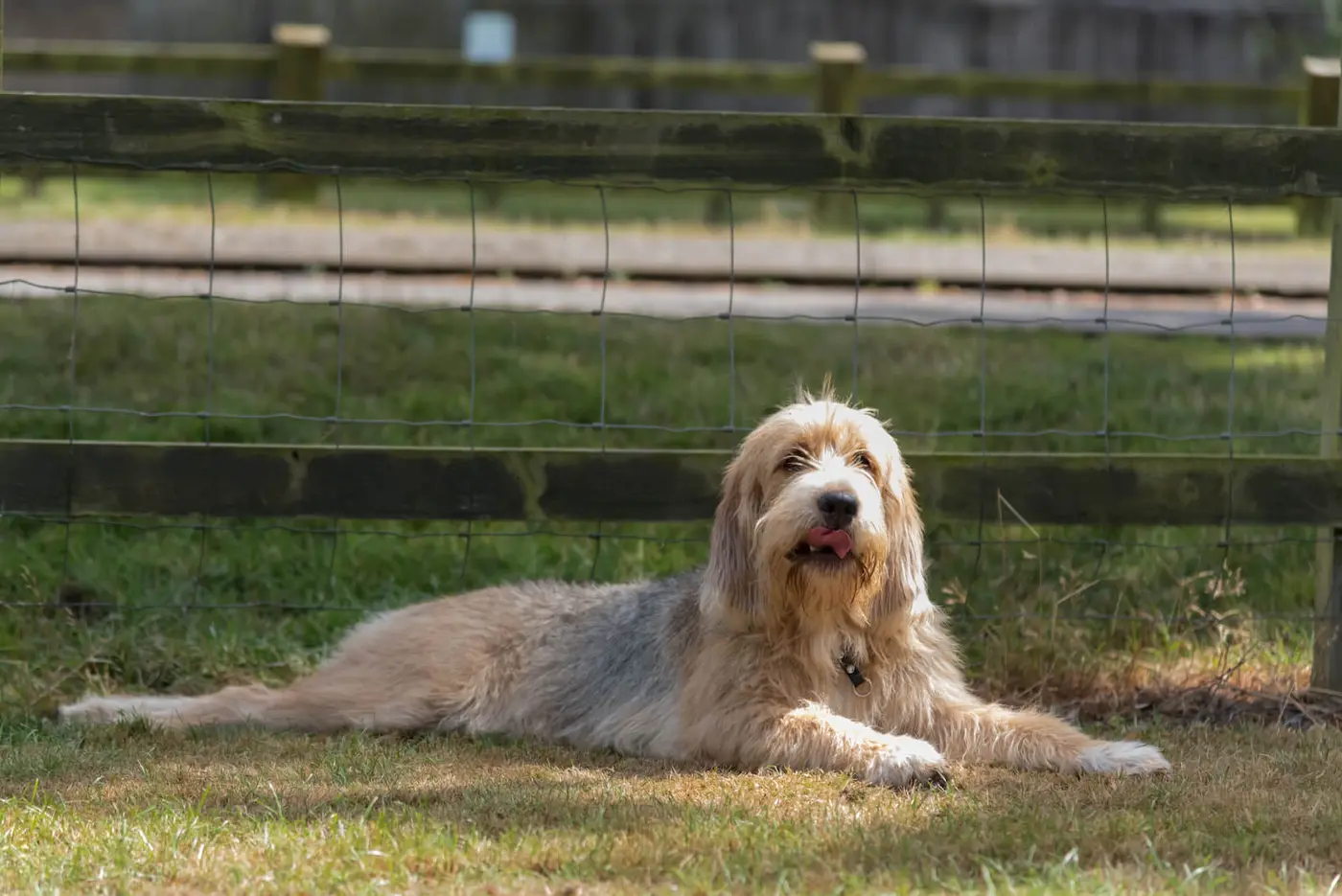
Otterhounds are big, friendly,outgoing dogs who are very food-oriented. They are highly intelligent and excel at many doggie sports. Otterhounds can be a bit messy in the house, but they will love you enough to make up for it.
Otterhounds were originally bred to hunt otters and have never lost their love for water. Since hunting Otters has been outlawed, this breed has become rare, but if you manage to find one, you’ll have a large, friendly, affectionate lug of a dog on your hands. They are excellent trackers who are especially food-oriented and have lots of energy. Their extreme energy and food drive makes storing your food an interesting challenge. Although Otterhounds are smart, they’re not always aware of everything in your house, so you’ll also want to fortify anything that’s breakable when this exuberant, loving dog makes an appearance in your living room.
Temperament and Behavior
Otterhounds are friendly toward people. They will bark to let you know a stranger is coming but won’t be aggressive toward them. In fact, they use their loud deep voice quite often to tell you how they’re feeling with lots of different grunts and groans, which may come into play when you’re asking an Otterhound to do something they don’t want to do. They can be stubborn, but as with most dogs, Otterhounds can be won over with a tasty treat. Just be sure to keep your treats in a secure location, as these dogs are experts at breaking into places they’re not supposed to go.
Coat & Grooming
An Otterhounds coat should be brushed weekly to cut back on shedding. You may also want to brush out their bearded face after they eat so food doesn’t get stuck. You’ll also need to bathe your Otterhound based on how often they jump into mud puddles or how smelly you think they are. They do love to get dirty, so expect to give them a bath here and there.
Lifestyle & Living Conditions
Otterhounds can adapt to living both indoors and outdoors, but they should be allowed in the house when you’re around. They need plenty of space and are happiest in homes where they have a safe and secure backyard they can play in. They can be a bit messy and klutzy, so if you’re especially particular about your house, an Otterhound might not be the best fit. They get along quite well with children but can sometimes be a little too rambunctious for toddlers. As for your felines, Otterhounds can learn to play nice if they are raised together, but should never be left alone to play outside where cats turn into fun things to chase.
Exercise & Activity
Otterhounds are easygoing, but they are also very energetic and will require daily exercise. They especially love playing in water and would welcome a trip to your local lake. Otterhounds are also great competitors in doggie sports, especially tracking. Your Otterhound will need about a half hour or more of vigorous exercise every day, otherwise they’ll find their own outlets for their energy.
Characteristics at-a-glance
Ratings are on a scale of 1–10, based on breed standards and typical temperament.
Otterhound FAQs
Common questions about the Otterhound breed, answered by our editorial team.
Find Otterhound Puppies