

19 Views
$400
Kai
Available for: Pickup
About Kai
All listing information is self-reported. Verify information before conducting business. Learn how to verify information before buying
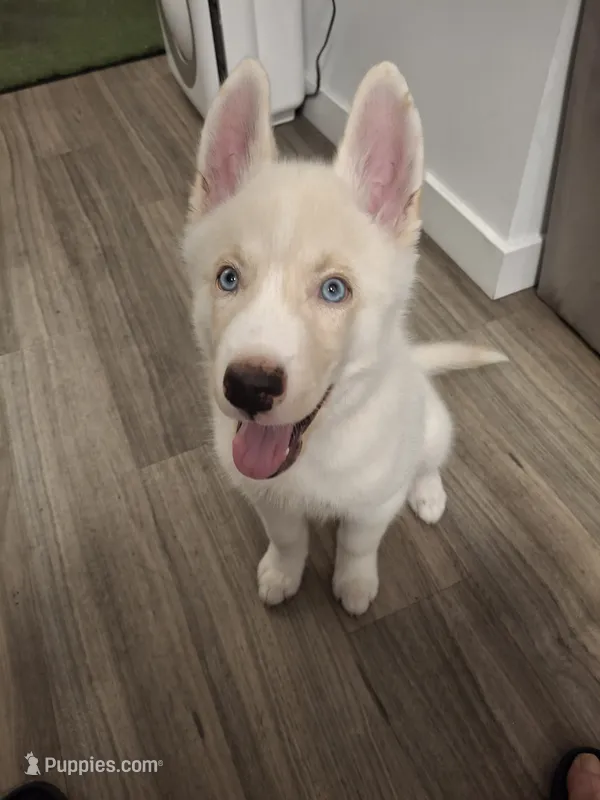
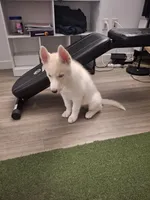
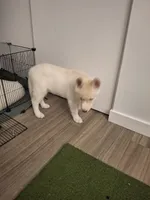
Meet Kai, my stunning Jindo-Husky mix—a white-coated, blue-eyed charmer. Most of the time, he's wonderfully mellow, but every now and then, his playful side shines through. Training him has been a joy; he's already mastered sit, spin, and stay. He's one smart pup, and I can't wait to see what he learns next. Kai will come with everything I've bought for him, including food, a crate, brushes, and more.
Coat Colors:
White
Coat Pattern:
Solid
Why I stand out
About The Seller

David Han
New Member
ID Verified by iDenfy
Email Address Verified
Phone Number Verified

Frequently Asked Questions
About
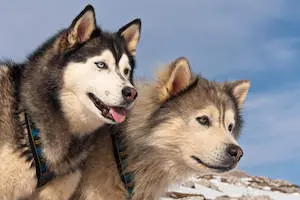
Alaskan Husky
Puppies
What kind of dog is a Alaskan Husky?
Alaskan Huskies believe in working hard and playing harder. These lively pups have endless energy and distinct voices. In fact, they’re known to “talk” with their owners and other Huskies. They may need some added TLC as far as brushing and exercise are concerned, but at least the Husky can let you know how thankful they are with their adorable doggy voices! Full-grown, they typically weigh 35-60 pounds and stand 20-24 inches tall.
Are Alaskan Huskys good family dogs?
Alaskan Huskys are generally okay with older children who know how to handle dogs. Alaskan Huskies don’t get along with other pets naturally, but they can learn to coexist if they’re socialized from a young age. These dogs are not well-suited for apartment life and need to live inside with the family. They're fairly vocal dogs that bark regularly.
What kind of exercise do Alaskan Huskys need?
Alaskan Huskies need a lot of exercise to get their energy out. Otherwise, they have a tendency to become loud and destructive. Whether it’s a few long walks each day, hard playtime in the yard, or a game that gets its heart racing, the Husky can’t get enough. Overall, their exercise needs are very high.
What's the coat like on a Alaskan Husky?
The Alaskan Husky has a short- or medium-length coat that’s less dense than most Northern breeds. These dogs come in several colors and patterns, although black and white are most common. They also tend to have unique facial masks and markings. Grooming-wise, this breed is moderate.
What should first-time owners know about Alaskan Huskys?
Alaskan Huskys are best suited for a rural property or home with a large yard. These dogs are not well-suited for apartment life and need to live inside with the family. If they have a yard to play in, make sure the fence is high, deep, and secure. They are can be stubborn and challenging to train.
Frequently Asked Questions
About
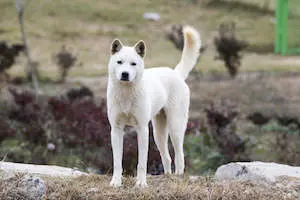
Jindo
Puppies
Is a Jindo the right dog for me?
Jindos are one of the most treasured dogs in Korea. Courageous guard dogs, tenacious hunters, and devoted family members, it’s easy to see why. However, these dogs have such strong natural instincts that it is important to begin socialization and training early on. Jindos love to be by their family’s side! Full-grown, they typically weigh 30-50 pounds and stand 17-22 inches tall.
Are Jindos friendly with strangers and kids?
Jindos are generally okay with older children who know how to handle dogs. With proper socialization and training, these affectionate dogs can be around children. Jindos will make good use of a large backyard but should live indoors with their family. They're moderate barkers — they'll alert you when something's up but aren't excessive.
How do I keep a Jindo physically active?
Jindos love to chase furry animals of all kinds, so be sure to keep them on a leash when taking them out and about. These dogs need an hour or two of exercise each day. They make excellent hiking and running companions. Overall, their exercise needs are high.
Do Jindos shed a lot?
Jindos have a dense coat that becomes bulkier with the seasons. The changing thickness of their coat means that they do shed. These dogs can require brushing every few days to remove dead hairs. Grooming-wise, this breed is moderate.
Where do Jindos do best — city or country?
Jindos are best suited for apartments and smaller homes. Jindos are a great match for an athletic household. Jindos will make good use of a large backyard but should live indoors with their family. They are moderately trainable with consistent effort.

Puppy Buyer's FAQ
See Full Guide Here
Visit or Video Call the Breeder
Visit in person if possible, or request a live video call to meet the puppy, see its living conditions, and meet the mom. Ask to see where the dogs eat, sleep, and play.
Get a Vet Exam Immediately
Have a vet examine the puppy within two days of bringing it home, even if it seems healthy.
Request Complete Health Records
Ask for vaccination records, deworming history, and vet exam results. For purebreds, ask for parent health clearances.
Get Everything in Writing
Written contract with health guarantees, return/refund policy, and spay/neuter terms. Verbal promises are unenforceable.
Use Secure Payment Methods
Pay with a credit card or another traceable method that offers buyer protection. Avoid wire transfers, crypto, or gift cards, which are difficult to recover.
Verify Breeder Credentials
Check USDA license, state breeder license, breed club memberships, and reviews. Ask for buyer references.
Know What to Look For
A trustworthy breeder welcomes visits, specializes in one or two breeds, prices fairly, and gives you time to decide without pressure.
Know Your State's Laws
Some states have lemon laws; others rely on contract law. Know your rights before you buy.