



26 Views
$150
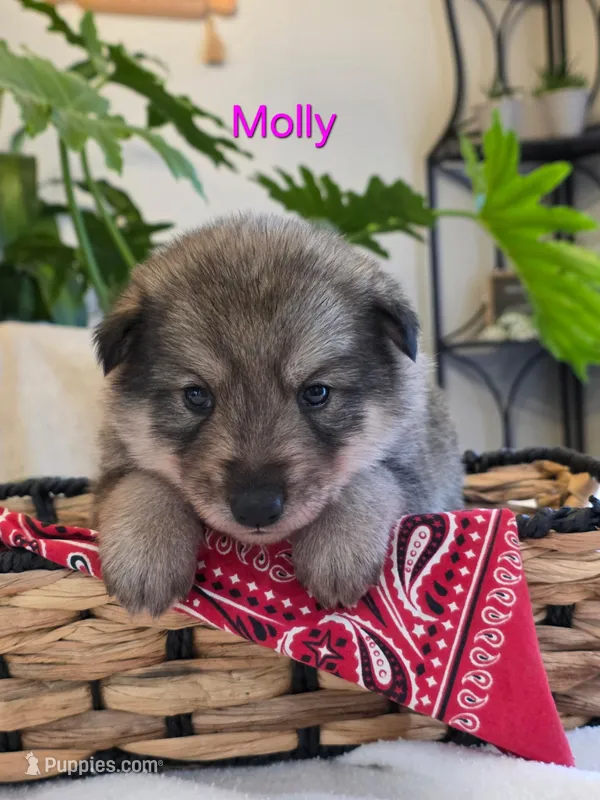
Molly
Available for: Pickup
About Molly
All listing information is self-reported. Verify information before conducting business. Learn how to verify information before buying
Molly is a healthy, easygoing cutie pie. She is excited to find her new home!
Ready to go to her new home: June 1 2026
Coat Colors:
Black
Cream
Gray
Coat Pattern:
Tricolor
Why I stand out
About The Seller

Eunice Kurtz
New Member
ID Not Verified by iDenfy
Email Address Verified
Phone Number Verified

Frequently Asked Questions
About
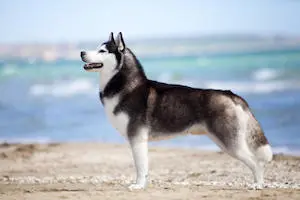
Siberian Husky
Puppies
What are Siberian Huskys known for?
With kind personalities, insatiable curiosity, and energy for days, the Siberian Husky is a dog that loves their family yet can’t wait to escape. If you’re bringing one of these pups into your home, keep the fences high, the temperature cool, and the vacuum nearby. Full-grown, they typically weigh 35-60 pounds and stand 20-24 inches tall.
Are Siberian Huskys safe around children?
Siberian Huskys are generally excellent with children of all ages. The Siberian Husky gets along well with other Huskies, but they need to be trained carefully to play nicely with other pets. These dogs tend to be aggressive toward cats and other foreign animals. They're very vocal and bark quite a lot.
What activities do Siberian Huskys enjoy most?
The Siberian Husky was bred to pull a heavy sled for countless miles, and their intense activity needs remain today. If you can't have them pull a sled, let your Husky run alongside you as you jog or ride a bicycle, ideally for at least an hour every day. These dogs get destructive and loud if they don’t get enough exercise, so activity is a requirement, not a preference. Overall, their exercise needs are very high.
How often should I brush a Siberian Husky?
Siberian Huskies have a dense, smooth undercoat and coarse outer coat of short, straight hair. You can find them in many color combinations, but the most common are pure white or white with black, grey, or copper-red, all with blond markings. Siberian Huskies “blow” their long hair twice a year. Grooming-wise, this breed is low-maintenance.
Where do Siberian Huskys do best — city or country?
Siberian Huskys are best suited for a house with a good-sized yard. Because of their size and long coat, Siberian Huskies are not well-suited to apartments or warm climates. They are moderately trainable with consistent effort.
Frequently Asked Questions
About
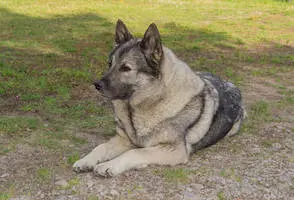
Norwegian Elkhound
Puppies
Are Norwegian Elkhounds a good breed to own?
Norwegian Elkhounds are smart, affectionate dogs who love people. They are known for barking often, which is worse when they get lonely. Although they are slightly stubborn, these loving dogs can learn to do just about anything with the right training and the right motivation — food. Full-grown, they typically weigh 48-55 pounds and stand 19-21 inches tall.
How are Norwegian Elkhounds with other pets?
Norwegian Elkhounds are generally okay with older children who know how to handle dogs. They are high energy dogs who do best with a safe, fenced-in yard where there’s plenty of space to play in. Norwegian Elkhounds are usually good around children if they are raised with them, but older dogs who aren’t used to children will take some time to warm up to them. They're fairly vocal dogs that bark regularly.
Are Norwegian Elkhounds couch potatoes or do they need a lot of exercise?
Norwegian Elkhounds are active dogs who will need about an hour total of exercise every day. It’s best if you can split this active time up into two sessions so they don’t get bored. Norwegian Elkhounds enjoy a nice long walk or running alongside you as you go for a bike ride. Overall, their exercise needs are high.
Do Norwegian Elkhounds need professional grooming?
Norwegian Elkhounds have a double coat that is easy to groom and only needs weekly brushings. The catch? They shed a lot. Grooming-wise, this breed is low-maintenance.
What should first-time owners know about Norwegian Elkhounds?
Norwegian Elkhounds are best suited for apartments and smaller homes. This means that they must be allowed to live in the house with their people to stay happy. They are high energy dogs who do best with a safe, fenced-in yard where there’s plenty of space to play in. They are fairly easy to train.

Puppy Buyer's FAQ
See Full Guide Here
Visit or Video Call the Breeder
Visit in person if possible, or request a live video call to meet the puppy, see its living conditions, and meet the mom. Ask to see where the dogs eat, sleep, and play.
Get a Vet Exam Immediately
Have a vet examine the puppy within two days of bringing it home, even if it seems healthy.
Request Complete Health Records
Ask for vaccination records, deworming history, and vet exam results. For purebreds, ask for parent health clearances.
Get Everything in Writing
Written contract with health guarantees, return/refund policy, and spay/neuter terms. Verbal promises are unenforceable.
Use Secure Payment Methods
Pay with a credit card or another traceable method that offers buyer protection. Avoid wire transfers, crypto, or gift cards, which are difficult to recover.
Verify Breeder Credentials
Check USDA license, state breeder license, breed club memberships, and reviews. Ask for buyer references.
Know What to Look For
A trustworthy breeder welcomes visits, specializes in one or two breeds, prices fairly, and gives you time to decide without pressure.
Know Your State's Laws
Some states have lemon laws; others rely on contract law. Know your rights before you buy.