


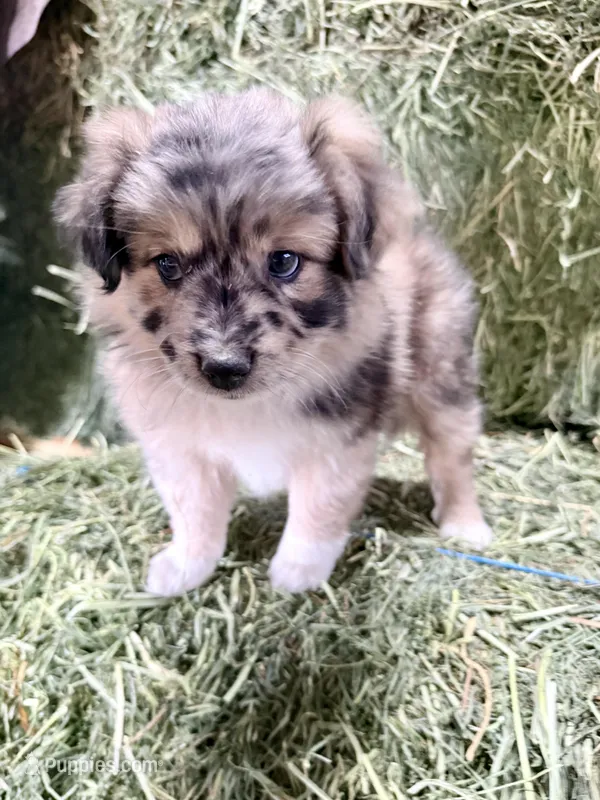
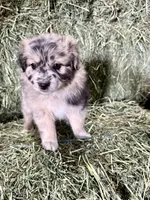
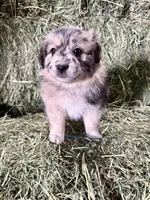
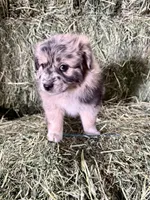
4 Views
$850
Pumpkin
Available for: Pickup, Shipping
About Pumpkin
All listing information is self-reported. Verify information before conducting business. Learn how to verify information before buying
Call for questions
Coat Colors:
Black
White
Gray
Coat Pattern:
Merle
Why I stand out
Vaccinated
 Vaccinated
Health guarantee
 Health guarantee
Health certificate
 Health certificate
About The Seller

Charismatic K9s
Member for
6 years
ID Verified by iDenfy
Email Address Verified
Phone Number Verified
Licenses
USDA not required
State not required
Other Contacts


Frequently Asked Questions
About
German Spitz
Puppies
What are German Spitzs known for?
German Spitzes like to show off their tricks with the hopes of love and affection… or a snack. Once helping hands on the farm, these small fluffy companions much more enjoy the home life, today. Alert, German Spitzes like to watch out the window and let you know who’s walking by. They sure are happy dogs to have around the house! Full-grown, they typically weigh 10-50 pounds and stand 8-20 inches tall.
How are German Spitzs with other pets?
German Spitzs are generally okay with older children who know how to handle dogs. Only German Spitzes that haven’t been properly socialized or trained might have temperament issues toward new people and pets. They're very vocal and bark quite a lot.
Are German Spitzs high-energy dogs?
German Spitzes love to learn new tricks and are excited to show them off any chance they get. They enjoy a daily short leisurely walk with their human companion and will go for longer, if you let them! Overall, their exercise needs are high.
Do German Spitzs need professional grooming?
You will find there are different sizes of the German Spitz: Klein (small), Mittel (standard), and Gross (giant). These are all small dogs, though, and even the “Gross” size will only grow up to 40 lbs. German Spitzes are known for their beautiful, long coat, which does require maintenance. Grooming-wise, this breed is moderate.
Do German Spitzs need a big yard?
German Spitzs are best suited for apartments and smaller homes. German Spitzes like most environments, even apartment settings. A small yard is ideal because they do need to get daily exercise. They are highly trainable and eager to learn.

Frequently Asked Questions
About
Miniature Australian Shepherd
Puppies
What kind of dog is a Miniature Australian Shepherd?
The Miniature Australian Shepherd was created by selectively breeding small Australian Shepherds. It has increased in popularity in the last few years due to its combination of small size with high energy level and endurance. Full-grown, they typically weigh 20-40 pounds and stand 13-18 inches tall.
Will a Miniature Australian Shepherd get along with my other pets?
Miniature Australian Shepherds are generally excellent with children of all ages. The Miniature Australian Shepherd is a great companion for children and other pets, especially if socialized as a puppy. They're relatively quiet and don't bark much.
What activities do Miniature Australian Shepherds enjoy most?
Not only does the Miniature Australian Shepherd need a lot of exercise, it needs to be kept occupied. The Miniature Australian Shepherd is an excellent companion for people that are active, particularly those who recreate outdoors. Miniature Australian Shepherds are especially popular in dog agility competitions and other dog sports. Overall, their exercise needs are very high.
What kind of coat care does a Miniature Australian Shepherd require?
The Miniature Australian Shepherd’s coat ranges from medium to long, with a dense undercoat. It can be straight or slightly wavy, and is highly weather resistant. The coat is short and soft on the head and legs, with a thick mane around the neck. Grooming-wise, this breed is moderate.
How much space does a Miniature Australian Shepherd need?
Miniature Australian Shepherds are best suited for a home with a yard, though they can adapt to apartment life with enough exercise. They are highly trainable and eager to learn.

Puppy Buyer's FAQ
See Full Guide Here
Visit or Video Call the Breeder
Visit in person if possible, or request a live video call to meet the puppy, see its living conditions, and meet the mom. Ask to see where the dogs eat, sleep, and play.
Get a Vet Exam Immediately
Have a vet examine the puppy within two days of bringing it home, even if it seems healthy.
Request Complete Health Records
Ask for vaccination records, deworming history, and vet exam results. For purebreds, ask for parent health clearances.
Get Everything in Writing
Written contract with health guarantees, return/refund policy, and spay/neuter terms. Verbal promises are unenforceable.
Use Secure Payment Methods
Pay with a credit card or another traceable method that offers buyer protection. Avoid wire transfers, crypto, or gift cards, which are difficult to recover.
Verify Breeder Credentials
Check USDA license, state breeder license, breed club memberships, and reviews. Ask for buyer references.
Know What to Look For
A trustworthy breeder welcomes visits, specializes in one or two breeds, prices fairly, and gives you time to decide without pressure.
Know Your State's Laws
Some states have lemon laws; others rely on contract law. Know your rights before you buy.