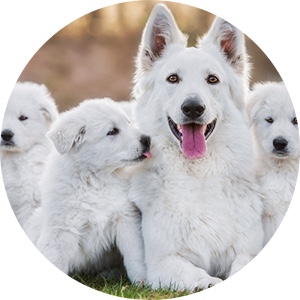
Norrbottenspetz Puppies For Sale

4 Results
Norrbottenspetz
Frequently Asked Questions
About Norrbottenspetz Puppies
Is a Norrbottenspetz the right dog for me?
The Norrbottenspets hails from Finland and Sweden and was originally used as a hunting dog. These dogs were once thought to have gone extinct and are still difficult to find. However, if you can find one, you’ll have a smart, loving, courageous friend at your side. Full-grown, they typically weigh 20-30 pounds and stand 16-18 inches tall.
Can Norrbottenspetzs live with cats and other dogs?
Norrbottenspetzs are generally okay with older children who know how to handle dogs. The Norrbottenspets can adapt to many different living situations as long as they get plenty of daily exercise. They get along very well with children and can learn to live with other animals they are raised around, but they sometimes see other small furry animals as something they should be chasing up a tree. They're moderate barkers — they'll alert you when something's up but aren't excessive.
Are Norrbottenspetzs high-energy dogs?
The Norrbottenspets is very intelligent and needs daily exercise that challenges their bodies and minds. They can learn to excel at doggy sports and enjoy daily walks and hikes, especially when you change up your routes. The best way to make Norrbottenspets happy is to take them hunting, which you’ll quickly see that they are very skilled at! Overall, their exercise needs are high.
How much grooming does a Norrbottenspetz need?
The Norrbottenspets has a hard, short outercoat with a dense, soft undercoat. They are not difficult to groom, but their undercoat does shed. You’ll want to brush their hair at least once a week to remove dead hair from their undercoat, which will cut back on hair you find in and around your house. Grooming-wise, this breed is low-maintenance.
How much space does a Norrbottenspetz need?
Norrbottenspetzs are best suited for a house with a good-sized yard. Norrbottenspets are happiest when able to live inside among their humans, but they can adapt to living outside as long as they get plenty of quality cuddle time with their people when they’re in the house. They are fairly easy to train.