

95 Views
$350
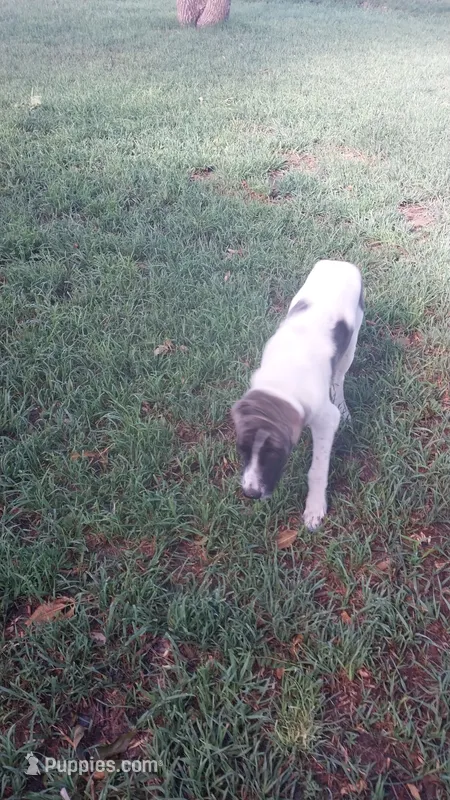
Brody
Available for:
About Brody
All listing information is self-reported. Verify information before conducting business. Learn how to verify information before buying
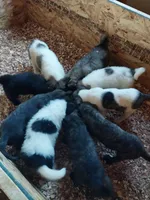
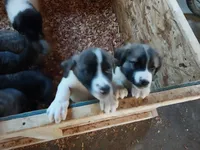
The mother is a purebred Anatolian Shephard (Juno) and the father is a German Shephard. We do not know much about the sire. We do know he is a handsome dog belonging to a neighbor about 3/4 mile from our house. He was getting out at night and introduced himself to our Anatolian.
Juno is our livestock guardian and is most active at night.
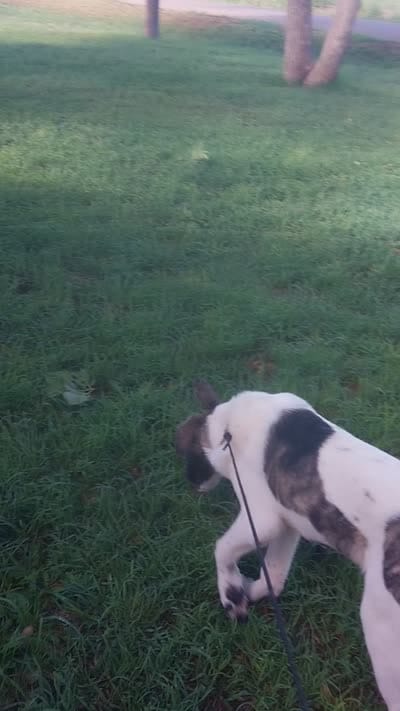
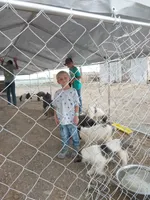
That said, Brody, like his siblings inherited the qualities of both Shepherds. Brody is energetic and active and loves being around the family. He has been very good with our children, and occasionally can play a little rough with the younger ones, but has responded well to redirection and correction.
He was injured by the neighbors bull dogs. His leg has healed really well. The vet told us the leg was not broken, but they could see bone fragments in his the joint. He developed sepsis because of the bit wound. With treatment however he has nearly regained full function of his leg and is up to date on all of his vaccinations so far. He has spent the most time with the children living in the house. He has been somewhat resistant to house training, but I believe this will improve with consistent gentle reinforcement.
He has inherited the qualities of his parents.
Anatolian's are known for their independence, territorial awareness, and livestock-guardian instincts. Anatolians think for themselves and protect livestock without constant human direction., so they sometimes choose to ignore commands. However, I found with consistency and gentle but firm, his mother has always been response and and obedient, even when she sometimes looks like she is debating whether to listen or not. :)
The German Shepherd side contributes trainability, intelligence, confidence, and a desire to work closely with people.
As a result, the cross often produces a dog that is:
Extremely loyal to its family.
Protective of children and property.
Alert and watchful.
Highly intelligent.
Somewhat stubborn and less eager to please than a pure German Shepherd.
They usually need:
Daily exercise.
A securely fenced yard or freedom to roam (our Anatolian does her work at night to protect our livestock)
Activities or jobs to perform
Consistent training from an early age.
One caution: Without enough stimulation, they may become destructive, bark excessively, or try to patrol beyond their boundaries.
Coat Colors:
Black
White
Coat Pattern:
Bicolor
Why I stand out
Vaccinated
 Vaccinated
About The Seller

Timpas Meadow
Member for
1 month
ID Not Verified by iDenfy
Email Address Verified
Phone Number Verified
Licenses
USDA not required
State not required

Frequently Asked Questions
About
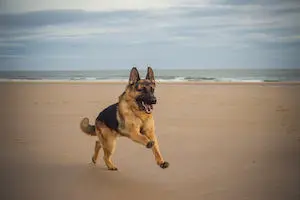
German Shepherd Dog
Puppies
What is a German Shepherd Dog like?
With a star-studded history and loving yet protective personality, it’s easy to understand why German Shepherd Dogs are one of the most popular breeds around. These pups possess the perfect blend of gentle love and fierce watchfulness. As long as you’re safe and content, they will be too. Full-grown, they typically weigh 50-90 pounds and stand 22-26 inches tall.
How are German Shepherd Dogs with other pets?
German Shepherd Dogs are generally excellent with children of all ages. German Shepherd Dogs are ultra territorial, making them among the least likely of breeds to run away from a fight. German Shepherds get along fine with children and other animals, as long as they’ve been socialized, and they prefer to live in a home with family around. They're moderate barkers — they'll alert you when something's up but aren't excessive.
Do German Shepherd Dogs need a lot of physical activity?
German Shepherd Dogs are happiest when they’re doing some type of work, such as agility, obedience, or any activity that taps into their herding instincts. This breed enjoys helping and having a job to do, so they're often used as guide dogs and police dogs. No matter what the activity is, be sure to keep your German Shepherd busy with mental and physical activities to prevent boredom. Overall, their exercise needs are very high.
Are German Shepherd Dogs high-maintenance when it comes to grooming?
There are three varieties of German Shepherds: coarse and short-haired, coarse and long-haired, and wavy and long-haired. The most common dogs are tan with a black back and mask, but German Shepherds come in a variety of colors, including solid black, grey, brown, and yellow, tricolor, or sable. They also have several kinds of markings, such as “pencilling” (black lines on the toes) and “tar heels” (black on the back of the leg). Grooming-wise, this breed is low-maintenance.
What should first-time owners know about German Shepherd Dogs?
German Shepherd Dogs are best suited for a home with a yard, though they can adapt to apartment life with enough exercise. German Shepherds get along fine with children and other animals, as long as they’ve been socialized, and they prefer to live in a home with family around. However, they don’t enjoy being with other dogs and would prefer to have the house to themselves. They are highly trainable and eager to learn.
Frequently Asked Questions
About
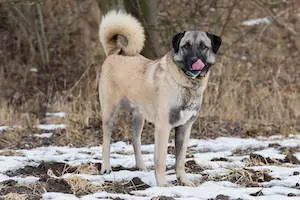
Anatolian Shepherd Dog
Puppies
What's the personality of a Anatolian Shepherd Dog?
As intelligent and loyal protectors, Anatolian Shepherds make great companions and guard dogs. They were bred to protect flocks, and they maintain an inherent desire to take care of those they love to this day. This breed enjoys running, roaming, and having fun, so lace up those shoes and prepare for playtime. Full-grown, they typically weigh 80-150 pounds and stand 27-29 inches tall.
Are Anatolian Shepherd Dogs a good choice for families with kids?
Anatolian Shepherd Dogs are generally okay with older children who know how to handle dogs. Anatolian Shepherd make the perfect family companion and guard dog. They’re smart and courageous, but not aggressive toward people or other pets. They're moderate barkers — they'll alert you when something's up but aren't excessive.
What's the best way to exercise a Anatolian Shepherd Dog?
The Anatolian Shepherd requires a lot of exercise, so be prepared to get a workout. A yard with a fence is ideal, as they love to run and play on their own. Even if you have a large yard, they’ll still need a regular daily walk and activities to keep them busy. Overall, their exercise needs are moderate.
How much brushing and bathing does a Anatolian Shepherd Dog need?
Anatolian Shepherds are best known for having white cream, “sesame,” and piebald coats. The piebald coats are white with large, colorful spots that usually cover about ⅓ of their body. These pups often have black ears and masks, which make them easy to recognize. Grooming-wise, this breed is low-maintenance.
How much space does a Anatolian Shepherd Dog need?
Anatolian Shepherd Dogs are best suited for a rural property or home with a large yard. However, if you want your Anatolian Shepherd to guard your flock, they should live outdoors and not be treated as a family pet. Because of their size and activity level, this breed is better suited for large spaces rather than apartments. They are can be stubborn and challenging to train.

Puppy Buyer's FAQ
See Full Guide Here
Visit or Video Call the Breeder
Visit in person if possible, or request a live video call to meet the puppy, see its living conditions, and meet the mom. Ask to see where the dogs eat, sleep, and play.
Get a Vet Exam Immediately
Have a vet examine the puppy within two days of bringing it home, even if it seems healthy.
Request Complete Health Records
Ask for vaccination records, deworming history, and vet exam results. For purebreds, ask for parent health clearances.
Get Everything in Writing
Written contract with health guarantees, return/refund policy, and spay/neuter terms. Verbal promises are unenforceable.
Use Secure Payment Methods
Pay with a credit card or another traceable method that offers buyer protection. Avoid wire transfers, crypto, or gift cards, which are difficult to recover.
Verify Breeder Credentials
Check USDA license, state breeder license, breed club memberships, and reviews. Ask for buyer references.
Know What to Look For
A trustworthy breeder welcomes visits, specializes in one or two breeds, prices fairly, and gives you time to decide without pressure.
Know Your State's Laws
Some states have lemon laws; others rely on contract law. Know your rights before you buy.