













244 Views
$1,320
On hold
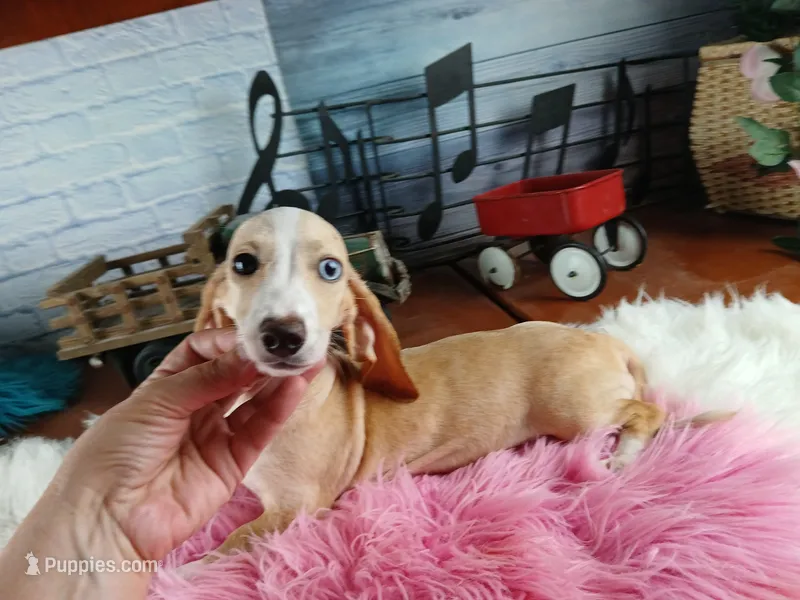
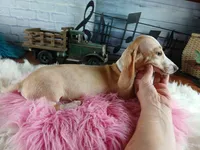
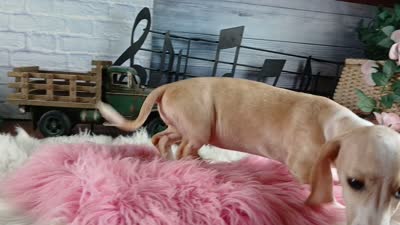
Sugar Pies cream girl. Hand Delivery
Available for:
Pickup, Shipping, Local Delivery
About Sugar Pies cream girl. Hand Delivery
All listing information is self-reported. Verify information before conducting business. Learn how to verify information before buying
Beautiful litter of dappled miniature dachshunds looking for forever family! Their current on shots, dewormed and microchipped and training on puppy pads. Expected to be 9 to 11 pounds or so. This breed makes a wonderful service dog or emotional support dog.
Financing options will be available in the coming days to make purchasing easier and allow for smaller monthly payments. I'm working with two lenders now and will update my listings with the information as soon as I am set up with them.
I offer lifetime support, you are welcome to call or text me anytime! The puppy comes with a one year Health guarantee. If you are unable to travel to Carthage Texas to pick your puppy up, we can arrange hand delivery to introduce you to the puppy. Please contact me for a quote. Sharon
Coat Colors:
Cream
Why I stand out
Vaccinated
 Vaccinated
Health guarantee
 Health guarantee
Registered
 Registered
About the breeder

Sharon Snider
Member for
6 years
ID Verified by iDenfy
Email Address Verified
Phone Number Verified
Licenses
USDA not required
State licensed
Other contacts


Frequently Asked Questions
About
Miniature Dachshund
Puppies
Is a Miniature Dachshund the right dog for me?
The Dachshund (pronounced dak-sund; also known as a ‘Teckel’) originated in Germany in the sixteenth century. They were bred and trained to chase down prey, such as a badger (Dachshund means ‘Badger Dog’) or fox, enter its burrow, kill it, and retrieve it. Full-grown, they typically weigh 9-11 pounds and stand 5-6 inches tall.
How do Miniature Dachshunds behave around young children?
Miniature Dachshunds are generally okay with older children who know how to handle dogs. The Miniature Dachshund is somewhat reserved around strangers and may bark at them, but forms a strong bond with family. It can be too courageous around larger dogs. They're very vocal and bark quite a lot.
What activities do Miniature Dachshunds enjoy most?
The Miniature Dachshund needs a small amount of exercise; medium length walks or a fair amount of play in the yard should be sufficient. Miniature Dachshunds may tire easily so exercise should be spaced out throughout the day. Miniature Dachshunds can live comfortably in an apartment, but it is best if they get an occasional view of the wild. Overall, their exercise needs are moderate.
What should I expect with Miniature Dachshund shedding?
The smooth- and long-haired Miniature Dachshund should be brushed occasionally to remove dead hairs. Long-haired Miniature Dachshunds are prone to tangles, so they should be groomed more often. The coat of the wire-haired Miniature Dachshund should be plucked twice a year. Grooming-wise, this breed is low-maintenance.
Can a Miniature Dachshund live in an apartment?
Miniature Dachshunds are best suited for apartments and smaller homes. They are moderately trainable with consistent effort.
How long do Dachshunds usually live?
Miniature Dachshunds usually live 12 to 16 years, about the same as Standard Dachshunds, and many stay lively well into their teens. Keeping them at a healthy weight and limiting jumping from furniture helps protect their long backs as they age. Regular checkups with your vet help catch problems early.
Are Dachshunds hard to train?
Miniature Dachshunds are smart but independent and stubborn, a legacy of being bred to work underground on their own, so training takes patience and consistency. Short, reward-based sessions work best, and housetraining often takes longer than with many other breeds. Early socialization also helps curb their tendency to bark at strangers.
Are mini Dachshunds smart?
Yes, Miniature Dachshunds are intelligent dogs. They were bred to track and hunt badgers and other burrowing animals on their own, which made them clever problem-solvers and independent thinkers. That independence can come across as stubbornness, so they respond best to patient training and plenty of mental stimulation.
Are Dachshunds lap dogs?
Miniature Dachshunds are affectionate with their families, and many love curling up on a lap or burrowing under blankets. They were bred as hunting dogs rather than lap dogs, though, so they still need daily walks and playtime to stay fit and content.
What is the smallest Dachshund breed?
The Miniature is the smallest Dachshund size. Miniature Dachshunds weigh 11 pounds or less as adults, typically 9-11 pounds, and stand 5-6 inches tall, while Standard Dachshunds typically weigh 16-32 pounds and stand 8-9 inches tall. Dogs that fall between the two sizes are informally called tweenies, and toy or teacup Dachshunds are not a recognized size.
Do Dachshunds have long tails?
Yes, Dachshunds have a fairly long tail for their size that continues the line of their long back. It is normally carried level with the back or slightly above it, and it is not docked. Miniature Dachshunds have the same proportions as Standard Dachshunds, just on a smaller frame.

Puppy Buyer's FAQ
See Full Guide Here
Visit or Video Call the Breeder
Visit in person if possible, or request a live video call to meet the puppy, see its living conditions, and meet the mom. Ask to see where the dogs eat, sleep, and play.
Get a Vet Exam Immediately
Have a vet examine the puppy within two days of bringing it home, even if it seems healthy.
Request Complete Health Records
Ask for vaccination records, deworming history, and vet exam results. For purebreds, ask for parent health clearances.
Get Everything in Writing
Written contract with health guarantees, return/refund policy, and spay/neuter terms. Verbal promises are unenforceable.
Use Secure Payment Methods
Pay with a credit card or another traceable method that offers buyer protection. Avoid wire transfers, crypto, or gift cards, which are difficult to recover.
Verify Breeder Credentials
Check USDA license, state breeder license, breed club memberships, and reviews. Ask for buyer references.
Know What to Look For
A trustworthy breeder welcomes visits, specializes in one or two breeds, prices fairly, and gives you time to decide without pressure.
Know Your State's Laws
Some states have lemon laws; others rely on contract law. Know your rights before you buy.
Similar Puppies
Zeus - Havanese
$1,800
Indianapolis, IN
Beautiful markings. Current on vaccinations. Puppy starter kit included.
Milo - Pomeranian
$1,600
Salt Lake City, UT
Playful and energetic. Comes with health guarantee and vet records.