



12 Views
$200
Ty
Available for: Pickup
About Ty
All listing information is self-reported. Verify information before conducting business. Learn how to verify information before buying
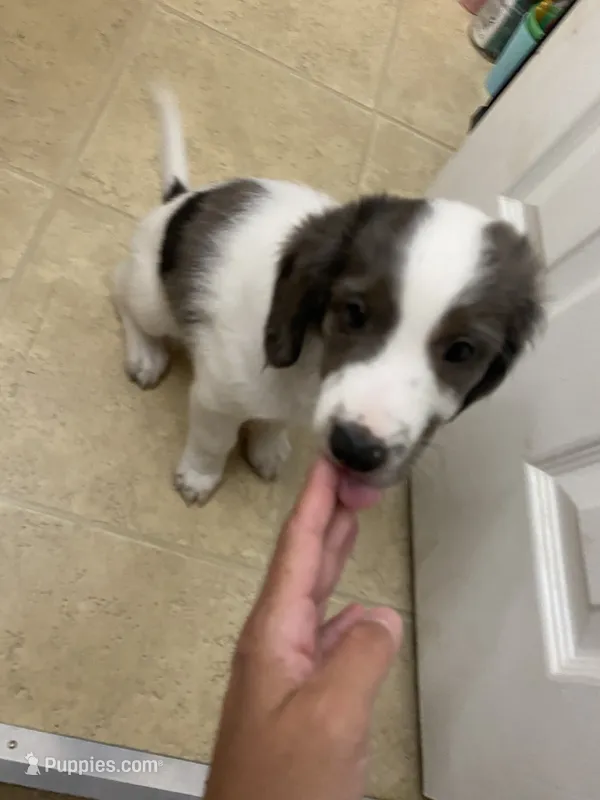
He is very intelligent and loves playing. He loves walks and follows without a leash. He has the spunkiest personality but is also very loving and cuddly.
Coat Colors:
White
Gray
Coat Pattern:
Spotted
Why I stand out
Vaccinated
 Vaccinated
About The Seller

Bambi Hendrix
New Member
ID Not Verified by iDenfy
Email Address Verified
Phone Number Verified


Frequently Asked Questions
About
French Brittany
Puppies
What makes French Brittanys special?
The French Brittany or Epagneul Breton has natural hunting instincts and is easily trained for all aspects of the sport. These dogs are highly intelligent and require mental and physical exercise on a daily basis. Outgoing and happy-go-lucky, they make a great pet for an active family. Full-grown, they typically weigh 30-40 pounds and stand 18-21 inches tall.
Are French Brittanys safe around children?
French Brittanys are generally excellent with children of all ages. These high-energy dogs do best in a family home with a backyard that's big enough for them to explore and run laps around. They even do well with cats when socialized with them early. They're moderate barkers — they'll alert you when something's up but aren't excessive.
What's the best way to exercise a French Brittany?
The happiest French Brittanys are given a job. Tracking. Hunting. Overall, their exercise needs are very high.
What should I expect with French Brittany shedding?
French Brittanys usually have a wavy coat with orange and white markings and flecking. Coloring and tail length can vary. Grooming for this breed is as simple as running a brush through their light, feathery fur once a week to keep them looking their best. Grooming-wise, this breed is low-maintenance.
Are French Brittanys easy to train?
French Brittanys are best suited for a house with a good-sized yard. These high-energy dogs do best in a family home with a backyard that's big enough for them to explore and run laps around. They do not fare well in apartment life. They are highly trainable and eager to learn.

Frequently Asked Questions
About
Shetland Sheepdog
Puppies
What is a Shetland Sheepdog like?
The Shetland Sheepdog is a people-loving breed that gets along with just about anyone. However, that special someone better be ready for a vocal companion because the only thing these dogs love more than people is barking. If you can keep the noise under control, Shelties could be the perfect family pup. Full-grown, they typically weigh 15-25 pounds and stand 13-16 inches tall.
Will a Shetland Sheepdog get along with my other pets?
Shetland Sheepdogs are generally excellent with children of all ages. Although they’re watchful around strangers, Shetland Sheepdogs are very sociable with children, other dogs, and pets. They're very vocal and bark quite a lot.
How much exercise does a Shetland Sheepdog need?
The Shetland Sheepdog needs to get out, work, and learn, but they can adapt to a more low-key lifestyle if needed. These dogs are happiest when they get to spend time with their families and play outside a few times each day. They’re also quite good at dog sports and are known to do especially well with agility. Overall, their exercise needs are high.
What's the coat like on a Shetland Sheepdog?
The Shetland Sheepdog has a long, wiry outer coat and short, soft undercoat. These dogs are usually sable, black and tan with white markings, black and white, or blue and black. Shelties do a good job of keeping themselves clean, but they need to be brushed and bathed regularly. Grooming-wise, this breed is moderate.
What living situation works for a Shetland Sheepdog?
Shetland Sheepdogs are best suited for a house with a good-sized yard. They’re small enough to live in apartments or townhomes, but beware of their barking. Because of their barking habits and high energy level, Shelties are best suited for homes where they have plenty of room to play and can bark without disturbing the neighbors. They are highly trainable and eager to learn.

Puppy Buyer's FAQ
See Full Guide Here
Visit or Video Call the Breeder
Visit in person if possible, or request a live video call to meet the puppy, see its living conditions, and meet the mom. Ask to see where the dogs eat, sleep, and play.
Get a Vet Exam Immediately
Have a vet examine the puppy within two days of bringing it home, even if it seems healthy.
Request Complete Health Records
Ask for vaccination records, deworming history, and vet exam results. For purebreds, ask for parent health clearances.
Get Everything in Writing
Written contract with health guarantees, return/refund policy, and spay/neuter terms. Verbal promises are unenforceable.
Use Secure Payment Methods
Pay with a credit card or another traceable method that offers buyer protection. Avoid wire transfers, crypto, or gift cards, which are difficult to recover.
Verify Breeder Credentials
Check USDA license, state breeder license, breed club memberships, and reviews. Ask for buyer references.
Know What to Look For
A trustworthy breeder welcomes visits, specializes in one or two breeds, prices fairly, and gives you time to decide without pressure.
Know Your State's Laws
Some states have lemon laws; others rely on contract law. Know your rights before you buy.