








1 Views
Butterscotch
Available for:
Pickup, Local Delivery
About Butterscotch
All listing information is self-reported. Verify information before conducting business. Learn how to verify information before buying
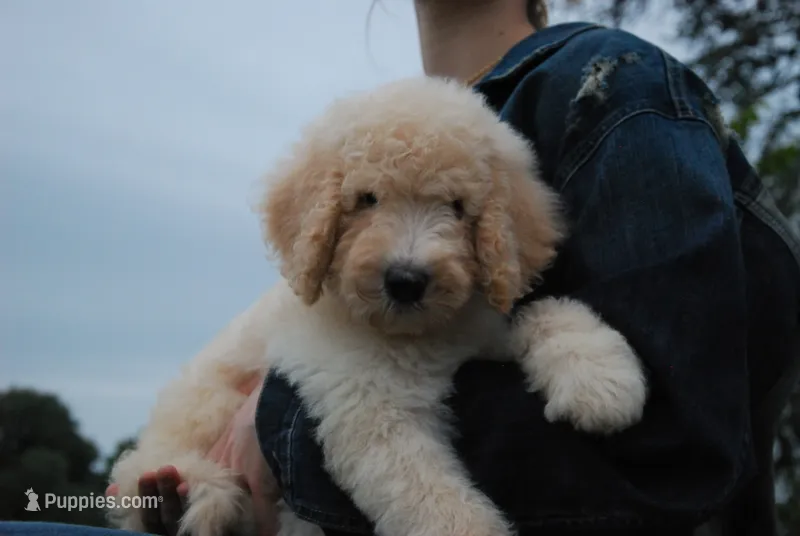
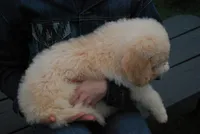
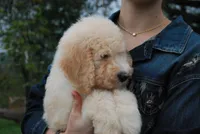
Meet Butterscotch, a plush cream Standard Poodle puppy with soft apricot ears and a sweet, teddy-bear face. At 9 weeks [he/she] is ready to go home now.
Butterscotch was raised on our family ranch in Lampasas, Texas, with six kids around every day. That means lots of gentle handling, everyday household noise, and plenty of time outdoors. As the photos show, he is calm and happy to be held. He would do well with a family, as a first-time Standard owner’s dog, or as a companion for someone who wants a big, loyal dog that doesn’t shed.
Standard Poodle, AKC registrable
Cream with apricot ears. Apricot shading often lightens as poodles mature
Expected adult size: about 45–60 lb
Parents: Rayne × Zeus, both raised here and on-site
Low-shedding, allergy-friendly coat
Goes home with:
Age-appropriate vaccinations and deworming, with records
Vet health check
A starter bag of Victor puppy food, the food he’s been raised on
Collar and leash
We require a $350 non-refundable deposit, and we can schedule a pick-up from our house or we can deliver within a reasonable distance.
Purdy Poodles is a small family breeder, and we stay in touch after every puppy goes home. Message us to set up a visit or video call with Butterscotch.
Coat Colors:
Cream
Coat Pattern:
Solid
Why I stand out
Vaccinated
 Vaccinated
Veterinary exam
 Veterinary exam
Registrable
 Registrable
Health certificate
 Health certificate
About the breeder

Renee Purdy
New Member
ID Not Verified by iDenfy
Email Address Verified
Phone Number Verified
Licenses
USDA not required
State not required


Frequently Asked Questions
About
Poodle - Standard
Puppies
Are Standard Poodles a good breed to own?
France has been officially recognized as the Poodle’s country of origin, but the Poodle’s earlier ancestors came from central Asia. The German variety has probably influenced the modern breed most (‘Poodle’ is German for ‘splash’ or ‘puddle’). In 18th and 19th century Europe, the Poodle served a wide variety of purposes, including duck hunting, guiding, and later circus performing, from whence the modern grooming style likely arose. The Poodle became a popular pet for the French aristocracy, and in time was officially adopted as the national dog. Poodles were imported to America in the 20th century. They slowly rose in popularity and eventually became the country’s most popular dog. Famous Poodles include author John Steinbeck’s dog Charley, subject of the book ‘Travels with Charley: In Search of America’, and Weird Al’s Poodle Bela, who…uhm… sat on his head for the album cover of ‘Poodle Hat.’ Full-grown, they typically weigh 40-70 pounds and stand over 15 inches tall.
Are Standard Poodles a good choice for families with kids?
Standard Poodles are generally excellent with children of all ages. The Standard Poodle gets along well with other animals, other dogs, and children. Standard Poodles are highly adaptable and make good watchdogs. They're moderate barkers — they'll alert you when something's up but aren't excessive.
What kind of exercise do Standard Poodles need?
The Standard Poodle requires substantial amounts of exercise. Standard Poodles require long walks and outdoor activities such as swimming or playing catch. The Standard Poodle is fond of retrieving, as it has origins as a hunting dog. Overall, their exercise needs are high.
Are Standard Poodles high-maintenance when it comes to grooming?
The Standard Poodle has a distinctive fine, frizzy, wooly coat similar in texture to sheep’s wool. Solid white is most common, but the coat may also be solid grey, brown, apricot, or black. There are three distinct grooming styles for show Poodles: puppy clip, continental clip, and English saddle clip. Grooming-wise, this breed is high-maintenance. Standard Poodles are considered hypoallergenic, which can be a plus for allergy sufferers.
Are Standard Poodles easy to train?
Standard Poodles are best suited for apartments and smaller homes. They are highly trainable and eager to learn.

Puppy Buyer's FAQ
See Full Guide Here
Visit or Video Call the Breeder
Visit in person if possible, or request a live video call to meet the puppy, see its living conditions, and meet the mom. Ask to see where the dogs eat, sleep, and play.
Get a Vet Exam Immediately
Have a vet examine the puppy within two days of bringing it home, even if it seems healthy.
Request Complete Health Records
Ask for vaccination records, deworming history, and vet exam results. For purebreds, ask for parent health clearances.
Get Everything in Writing
Written contract with health guarantees, return/refund policy, and spay/neuter terms. Verbal promises are unenforceable.
Use Secure Payment Methods
Pay with a credit card or another traceable method that offers buyer protection. Avoid wire transfers, crypto, or gift cards, which are difficult to recover.
Verify Breeder Credentials
Check USDA license, state breeder license, breed club memberships, and reviews. Ask for buyer references.
Know What to Look For
A trustworthy breeder welcomes visits, specializes in one or two breeds, prices fairly, and gives you time to decide without pressure.
Know Your State's Laws
Some states have lemon laws; others rely on contract law. Know your rights before you buy.