


1 Views
Dixie
Available for:
Pickup
About Dixie
All listing information is self-reported. Verify information before conducting business. Learn how to verify information before buying
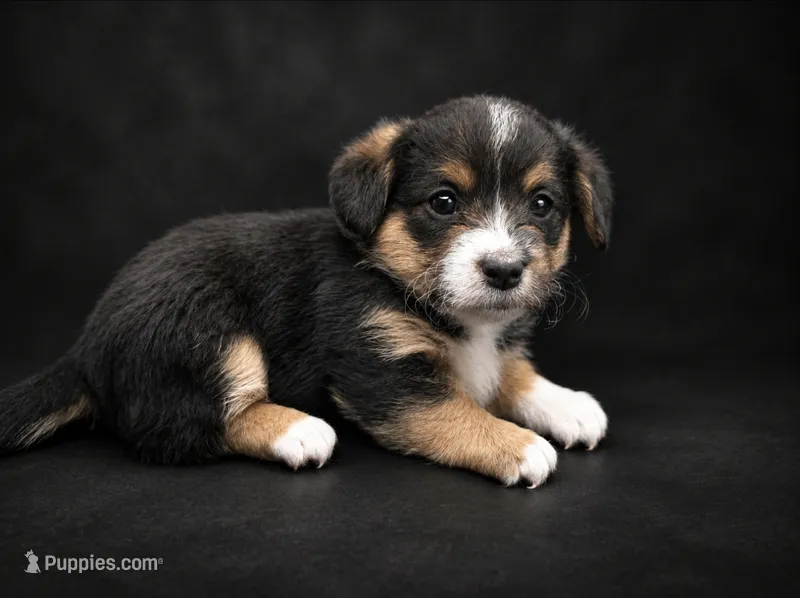
Meet Dixie! One very special corgipoo will be ready to adopt the weekend before Christmas! Shes the 2nd smallest of the litter. Shes very sweet and quiet with smooth short fur. Dixie mostly cuddles and likes to lounge around by herself as well.
You must pick her up. She comes with a one year health guarantee and 5 free training sessions because I want both the owner and the puppy to be set up for success and happiness!
No the photos are not AI. These are very beautiful dogs and I traveled over 24 hours combined to find the perfect male and female to breed and use a lightbox with a backdrop when taking photos.
These dogs are hypoallergenic and rarely shed. If they do happen to shed it's for about one week during the spring and winter. Ive hiked miles with my corgipoos and they love it but are also ok with just cuddling up with you on the couch. They are always excited to see new faces and are super friendly towards all animals. Very quiet and well behaved. Very easy to train. Corgipoos are a very healthy mix. The two breeds together cancel out the few problems pure breeds have. The muscle of the poodle helps prevent them from back problems and weight gain. I have never had to take them to a vet for concerns. They only eat what they need. I can leave several days worth of food out and they will slowly eat a small amount after being active once or twice a day. I feed them dry Acana chicken free dog food because some corgipoos have a slight allergic reaction to chicken and also there are better proteins out there for dogs that help their skin and coat. I change the flavor every time I run out so they stay interested and its better for their stomachs.
I am not a professional breeder who is solely in it for profit. My friends and family love my dogs so much and wanted one so I decided to share the joy that they brought me. I weigh them every day and feed them the highest quality dog food. I've spent 3 grand in the care of this litter in only the first 4 weeks because the health of dogs are more important than profitability.
Text me at
Coat Colors:
Black
Medium Brown
White
Coat Pattern:
Tricolor
Why I stand out
Vaccinated
 Vaccinated
Veterinary exam
 Veterinary exam
Health guarantee
 Health guarantee
Health certificate
 Health certificate
About the breeder

Cody Alderfer
Member for
2 years
ID Verified by iDenfy
Email Address Verified
Phone Number Verified


Frequently Asked Questions
About
Pembroke Welsh Corgi
Puppies
Are Pembroke Welsh Corgis a good breed to own?
With long bodies and short legs, the Pembroke Welsh Corgi has the nickname “dwarf dog” for a reason. They may be small, but the Pembroke has personality for days. These dogs like being in charge, keeping an eye on the house, and most of all, having fun. Full-grown, they typically weigh 24-30 pounds and stand 10-12 inches tall.
Are Pembroke Welsh Corgis good family dogs?
Pembroke Welsh Corgis are generally okay with older children who know how to handle dogs. Pembroke Welsh Corgis are good with kids as long as they’re respected. Pembrokes also can get along well with cats and other pets if they’re socialized at a young age, but they’re not usually fond of other dogs and may be domineering over nearby Corgis. They're fairly vocal dogs that bark regularly.
How do I keep a Pembroke Welsh Corgi physically active?
This breed has endless energy and needs more exercise than their size may indicate. Pembroke Welsh Corgis enjoy long walks, running around the yard, agility training, and playing catch with Frisbees. They shouldn’t be allowed to jump too high because it’s not safe for their long back and short legs. Overall, their exercise needs are high.
Do Pembroke Welsh Corgis shed a lot?
Pembroke Welsh Corgis have a long, thick, water-resistant outer coat of hard, straight hair and a short undercoat. They can be red, sable, fawn, or black and tan, all with white markings on the legs, chest, muzzle, or blaze (vertical line between the eyes). Pembrokes also may have a “fairy saddle” of hair on their shoulders pointing in a different direction than the rest of the coat. Grooming-wise, this breed is low-maintenance.
Can a Pembroke Welsh Corgi live in an apartment?
Pembroke Welsh Corgis are best suited for apartments and smaller homes. Pembrokes are small enough for apartment life, but they enjoy homes with spacious yards too. They like being outdoors, but they prefer to split their time between life inside with the family and playtime in the yard. They are fairly easy to train.
Frequently Asked Questions
About
Poodle - Toy
Puppies
What's it like owning a Toy Poodle?
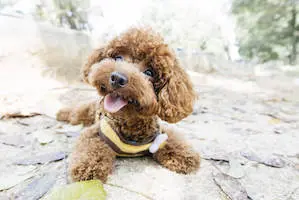
The Toy Poodles are a springy breed, bursting with energy and playfulness. They are obedient, smart, and sensitive and have a knack for finding trouble. Full-grown, they typically weigh 4-6 pounds and stand 9-10 inches tall.
Are Toy Poodles safe around children?
Toy Poodles are generally excellent with children of all ages. They are good with children, since they love to play and have an abundance of energy, but care should be taken with smaller children so there is no rough play. They make great watchdogs, so intruders will likely think twice before entering your home uninvited. They're fairly vocal dogs that bark regularly.
Can Toy Poodles keep up with an active lifestyle?
A toy poodle typically needs around 30 minutes to 1 hour of exercise per day, which can be achieved through short walks, playtime with interactive toys, and indoor activities, ensuring to avoid strenuous exercises that could strain their small joints; aim for shorter walks and prioritize mental stimulation due to their active and intelligent nature. Overall, their exercise needs are high.
Is a Toy Poodle a good choice for someone with allergies?
The Toy Poodle’s frizzy, wooly coat does not shed, making them ideal pets for people with allergies, so you can put away the Benedryl. They do require regular grooming and if not shaven carefully, can get rashes or skin irritations. Occasional grooming with a professional groomer will keep your Toy Poodle looking and feeling great. Grooming-wise, this breed is fairly high-maintenance. Toy Poodles are considered hypoallergenic, which can be a plus for allergy sufferers.
How much space does a Toy Poodle need?
Toy Poodles are best suited for apartments and smaller homes. Toy Poodles are an indoor breed and do well in apartment life. They make great watchdogs, so intruders will likely think twice before entering your home uninvited. They are highly trainable and eager to learn.
What colors do Toy Poodles come in?
Toy Poodles come in the same solid colors as the larger Poodle varieties, including white, black, gray, silver, blue, brown, apricot, cream, red, and café au lait. The breed standard calls for an even, solid color, though some Toy Poodles are parti-colored, with white and patches of another color.
Are Toy Poodles clingy?
Toy Poodles bond very closely with their people and often follow them from room to room, so many owners do find them a bit clingy. They don't like being left alone for long stretches and can develop separation anxiety if they are. Getting them used to short periods alone from puppyhood, along with plenty of play and mental stimulation, helps them stay confident on their own.
Are Toy Poodles calm?
Toy Poodles are lively, playful dogs rather than naturally calm ones, with plenty of energy for their size. With daily walks, playtime, and mental stimulation, most are happy to settle down and relax at home. Many become noticeably calmer once they mature out of puppyhood.
How to measure a Toy Poodle?
Poodles are measured at the withers, the highest point of the shoulder blades, not at the top of the head. Stand your Toy Poodle squarely on a level surface and measure straight up from the floor to the withers. Under the breed standard, a Toy Poodle is 10 inches or under at the shoulder, while a Miniature Poodle is over 10 and up to 15 inches.
What were Toy Poodles originally bred for?
Toy Poodles were bred as companion dogs, developed by breeding down the larger Poodle, which was used for duck hunting and retrieving from water. France has been officially recognized as the Poodle's country of origin, though the German variety probably influenced the modern breed most ('Poodle' is German for 'splash' or 'puddle'). Their small size, intelligence, and eagerness to please made Toy Poodles popular as pets and lap dogs.
What are the different breeds of Poodles?
The Poodle is a single breed that comes in three sizes: Toy, Miniature, and Standard. Toy Poodles stand 10 inches or under at the shoulder and typically weigh 4-6 pounds, Miniature Poodles stand over 10 and up to 15 inches and typically weigh 10-15 pounds, and Standard Poodles stand over 15 inches and typically weigh 40-70 pounds. All three share the same curly coat that needs regular grooming and the same intelligent, trainable temperament, though Standards need the most exercise.
What is a moyen Poodle?
A moyen Poodle, from the French word for medium, is a Poodle sized between the Miniature and the Standard, usually standing about 14 to 18 inches at the shoulder. The FCI, the international kennel federation, recognizes it as a fourth Poodle size, but the American Kennel Club does not, so in the United States a moyen is classed as a Miniature or Standard Poodle depending on its height. Moyens have the same curly coat that needs regular grooming and the same intelligent, trainable temperament as the other sizes.
Do Toy Poodles get cold easily?
Yes, Toy Poodles can get cold quickly because of their tiny size, and their single curly coat has no dense undercoat to trap warmth, especially when it is clipped short. A sweater or coat helps on cold or wet walks, and they should live indoors with their family. Drying them thoroughly after a bath or a walk in the rain also helps keep them comfortable.
Are Toy Poodles good for seniors?
Toy Poodles are often a good match for seniors. They are small enough to carry, do well in apartments and smaller homes, and are affectionate, highly trainable companions with a coat that is considered hypoallergenic. They do need daily walks and play, plenty of attention, and regular grooming, so they suit owners who can keep up with that routine.
What is the smallest Toy Poodle?
The Toy is the smallest official Poodle size, standing 10 inches or under at the shoulder and typically weighing 4-6 pounds. Names like teacup and tiny toy are informal terms for unusually small Toy Poodles, not separate sizes recognized by kennel clubs. These dogs are the same breed as other Toy Poodles, just at the very small end of the range.
Why is it called a Toy Poodle?
The word toy refers to its size: the Toy Poodle is the smallest of the three Poodle sizes, and the American Kennel Club places it in the Toy Group with other small companion breeds. Miniature and Standard Poodles belong to the Non-Sporting Group instead. The name Poodle comes from German, where it means 'splash' or 'puddle', a nod to the larger Poodle's history of retrieving from water.
Do Toy Poodles like being held?
Many Toy Poodles enjoy being held and cuddled, since they bond closely with their people and love being near them. Each dog is different, though, and some prefer sitting beside you or on your lap to being carried around. When you pick one up, support both the chest and the hindquarters, and still give them daily walks and playtime on their own four feet.
Can Toy Poodles be therapy dogs?
Yes, Toy Poodles can make good therapy dogs. They are intelligent and highly trainable, small enough to sit on a lap or a bed, and their coat is considered hypoallergenic, which suits hospitals and care homes. A dog's individual temperament matters most, so a Toy Poodle needs to be calm and friendly with strangers and to pass a therapy dog organization's evaluation before visiting.

Puppy Buyer's FAQ
See Full Guide Here
Visit or Video Call the Breeder
Visit in person if possible, or request a live video call to meet the puppy, see its living conditions, and meet the mom. Ask to see where the dogs eat, sleep, and play.
Get a Vet Exam Immediately
Have a vet examine the puppy within two days of bringing it home, even if it seems healthy.
Request Complete Health Records
Ask for vaccination records, deworming history, and vet exam results. For purebreds, ask for parent health clearances.
Get Everything in Writing
Written contract with health guarantees, return/refund policy, and spay/neuter terms. Verbal promises are unenforceable.
Use Secure Payment Methods
Pay with a credit card or another traceable method that offers buyer protection. Avoid wire transfers, crypto, or gift cards, which are difficult to recover.
Verify Breeder Credentials
Check USDA license, state breeder license, breed club memberships, and reviews. Ask for buyer references.
Know What to Look For
A trustworthy breeder welcomes visits, specializes in one or two breeds, prices fairly, and gives you time to decide without pressure.
Know Your State's Laws
Some states have lemon laws; others rely on contract law. Know your rights before you buy.