





11 Views
$250
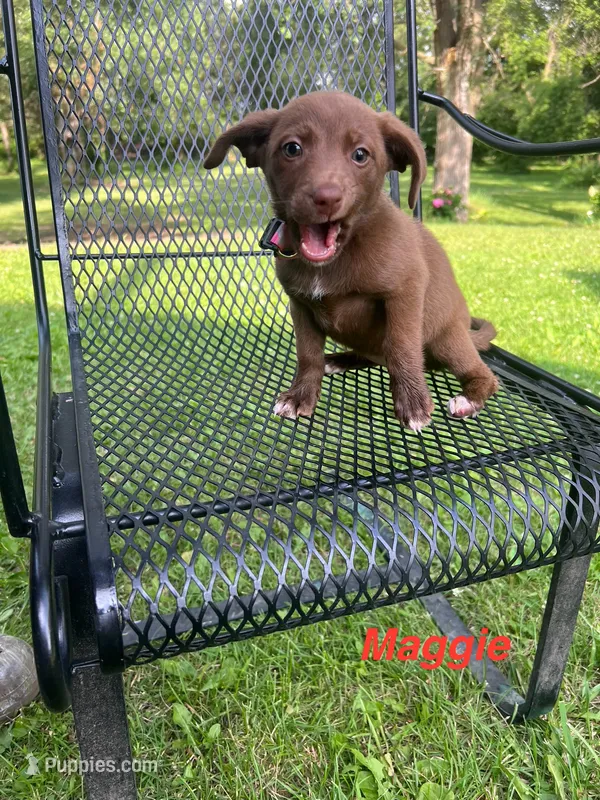
Maggie
Available for: Pickup
About Maggie
All listing information is self-reported. Verify information before conducting business. Learn how to verify information before buying
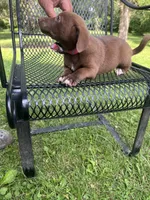
Maggie is a sweet pup. Playful but also very affectionate. Loves cuddles and belly rub. She got a nice chocolate brown color. Please let me know if you want to meet her Thanks
Coat Colors:
Brown/Chocolate
Medium Brown
Coat Pattern:
Bicolor
Why I stand out
Vaccinated
 Vaccinated
Veterinary exam
 Veterinary exam
About The Seller

Mashock Sanctuary
Member for
2 years
ID Not Verified by iDenfy
Email Address Verified
Phone Number Verified
Licenses
USDA not required
State not required


Frequently Asked Questions
About
Rat Terrier
Puppies
Is a Rat Terrier the right dog for me?
Rat Terriers, also known as “Ratties,” can barely contain their huge hearts in their tiny bodies. Unlike the name suggests, these dogs are social, affectionate pups who love being around people. They crave your companionship and will be happy in any situation as long as you’re together. Full-grown, they typically weigh 8-25 pounds and stand 10-18 inches tall.
Will a Rat Terrier get along with my other pets?
Rat Terriers are generally excellent with children of all ages. In fact, Rat Terriers love sleeping with people, especially kids. This breed is pack-oriented, so they enjoy the companionship of kids, adults, and other pets as long as they’re raised together. They're moderate barkers — they'll alert you when something's up but aren't excessive.
Do Rat Terriers need a lot of physical activity?
Rat Terriers thrive on activity and will be destructive if they get bored. Keep your Rattie busy with walks, runs, playtime, training, food puzzles, or sports. These dogs are particularly good at agility, rally, flyball, and tracking. Overall, their exercise needs are high.
Do Rat Terriers shed a lot?
Rat Terriers have short coats with a “pied” pattern (large patches of one or more colors with white). You may find Ratties with black, brown, tan, red, apricot, fawn, blue, white, or lemon coloring. Their coats tend to be low maintenance. Grooming-wise, this breed is low-maintenance.
How much space does a Rat Terrier need?
Rat Terriers are best suited for apartments and smaller homes. Ratties need to live indoors and be surrounded by people. They are highly trainable and eager to learn.

Frequently Asked Questions
About
Pomeranian
Puppies
What are Pomeranians known for?
Pomeranians lived in the lap of luxury among British royalty in the 1800s. The times may have changed, but their personalities have not. Poms still enjoy being doted on, but will shower you with love in return. Full-grown, they typically weigh 3-7 pounds and stand 6-7 inches tall.
Are Pomeranians a good choice for families with kids?
Pomeranians are generally okay with older children who know how to handle dogs. Indoor dogs, they are pretty adaptable and can live in most settings. Pomeranians are loving family members who are best matched with older, gentle children due to their small, delicate bodies. They're fairly vocal dogs that bark regularly.
Are Pomeranians couch potatoes or do they need a lot of exercise?
Pomeranians enjoy daily walks and lots of playtime with their families. These pups may be small, but they can sure hop, skip, and jump with the best of them. They thrive in doggie sports like agility, obedience, and flyball. Overall, their exercise needs are moderate.
What's the coat like on a Pomeranian?
Being this pretty doesn’t come easy. Pomeranians require some upkeep to maintain their good looks. Poms have a thick double coat that requires daily brushing. Grooming-wise, this breed is moderate.
What living situation works for a Pomeranian?
Pomeranians are best suited for apartments and smaller homes. Although Pomeranians may be high maintenance in the grooming department, they are low-key when it comes to their living environment. Indoor dogs, they are pretty adaptable and can live in most settings. They are moderately trainable with consistent effort.

Puppy Buyer's FAQ
See Full Guide Here
Visit or Video Call the Breeder
Visit in person if possible, or request a live video call to meet the puppy, see its living conditions, and meet the mom. Ask to see where the dogs eat, sleep, and play.
Get a Vet Exam Immediately
Have a vet examine the puppy within two days of bringing it home, even if it seems healthy.
Request Complete Health Records
Ask for vaccination records, deworming history, and vet exam results. For purebreds, ask for parent health clearances.
Get Everything in Writing
Written contract with health guarantees, return/refund policy, and spay/neuter terms. Verbal promises are unenforceable.
Use Secure Payment Methods
Pay with a credit card or another traceable method that offers buyer protection. Avoid wire transfers, crypto, or gift cards, which are difficult to recover.
Verify Breeder Credentials
Check USDA license, state breeder license, breed club memberships, and reviews. Ask for buyer references.
Know What to Look For
A trustworthy breeder welcomes visits, specializes in one or two breeds, prices fairly, and gives you time to decide without pressure.
Know Your State's Laws
Some states have lemon laws; others rely on contract law. Know your rights before you buy.