



18 Views
Mocha
Available for:
Pickup, Local Delivery
About Mocha
All listing information is self-reported. Verify information before conducting business. Learn how to verify information before buying
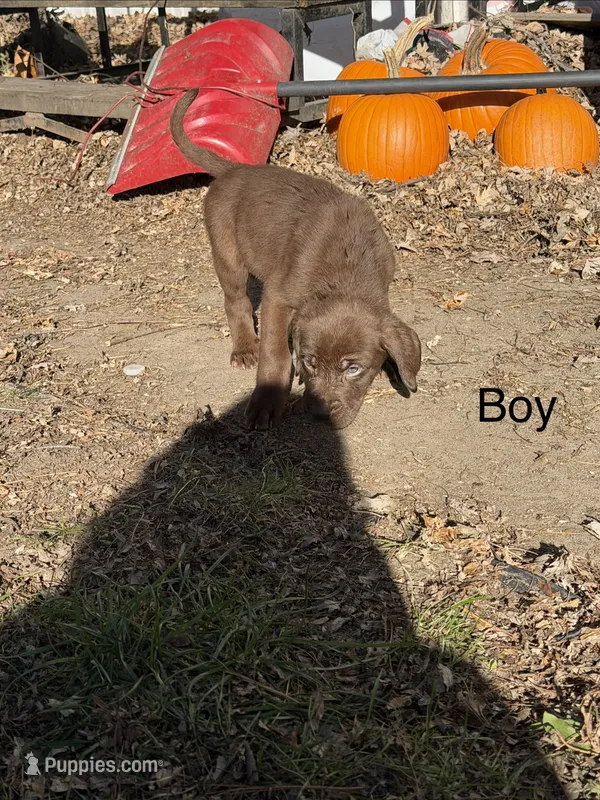
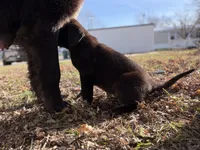
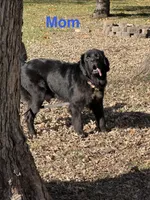
Beautiful, playful pup. Mother is Newfoundland and father is Great Dane. Both parents on site.
Why I stand out
About the breeder

Hannah C.
Member for
3 years
ID Not Verified by iDenfy
Email Address Verified
Phone Number Verified
Licenses
None for USDA
None for State

Frequently Asked Questions
About
Great Dane
Puppies
How would you describe a Great Dane?
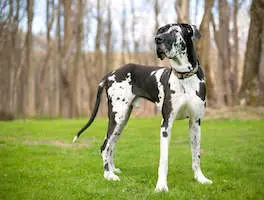
Great Danes may seem intimidating, but inside their enormous bodies are even bigger hearts. Their size and loyalty make them good watch dogs, but intruders won’t realize their bark is worse than their bite. Although they appear energetic, Great Danes would rather grab a pillow indoors and relax by your side. Full-grown, they typically weigh 110-175 pounds and stand 28-32 inches tall.
Are Great Danes a good choice for families with kids?
Great Danes are generally okay with older children who know how to handle dogs. Great Danes gets along well with children, other dogs, and household pets. Some Great Danes are dominant with other dogs of the same sex or have a high prey drive with small cats. They're moderate barkers — they'll alert you when something's up but aren't excessive.
Are Great Danes couch potatoes or do they need a lot of exercise?
This breed is fairly calm when young and needs a moderate amount of exercise when fully grown. Great Danes should be taken on a daily walk or allowed to play in a large, fenced yard where they can run and explore. They may seem like outdoor dogs, but their favorite spot is actually indoors where they can relax and be by your side. Overall, their exercise needs are very high.
Is a Great Dane a good choice for someone with allergies?
The Great Dane has a short, smooth coat that comes in several colors. Most dogs are fawn (gold with a black mask, ears, and tail tip), brindle (gold with a black stripe pattern), steel blue, glossy black, “Harlequin” (white with black patches), or “Mantle”/”Boston” (black with white muzzle, chest, and tail tip). This breed isn’t high maintenance when it comes to grooming. Grooming-wise, this breed is low-maintenance.
Do Great Danes need a big yard?
Great Danes are best suited for a house with a good-sized yard. Great Danes gets along well with children, other dogs, and household pets. Due to their size, apartments and small spaces just aren’t practical for this breed. They are moderately trainable with consistent effort.
Frequently Asked Questions
About
Newfoundland
Puppies
Is a Newfoundland the right dog for me?
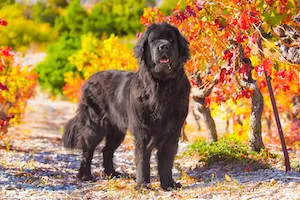
This sweet dog was well-represented in the movie Peter Pan and is the definition of “man’s best friend.” Newfoundlands are sweet, gentle, and devoted to their families. They love exercising (including swimming with their webbed feet), but their favorite activity is snuggling up next to you at the end of the day. Full-grown, they typically weigh 100-150 pounds and stand 26-28 inches tall.
How do Newfoundlands behave around young children?
Newfoundlands are generally excellent with children of all ages. Newfoundland dogs are about as sweet and friendly as they come. This breed will be a good companion to any dog, animal, child, or visitor. They're relatively quiet and don't bark much.
What activities do Newfoundlands enjoy most?
Newfoundlands are active pups that need to get their blood flowing often. They enjoy lots of exercise, particularly if it involves swimming, pulling, or playing in cold weather. The Landseer Newfoundlands may need even more activity than the other varieties. Overall, their exercise needs are moderate.
What should I expect with Newfoundland shedding?
The Newfoundland has a dense, greasy coat that is medium length or long and resistant to water. They can be black or black and white (called “Landseer’”after Edwin Landseer, an English artist whose paintings made this variety popular). You also may see Newfoundlands that are brown or gray, but those varieties are less common. Grooming-wise, this breed is moderate.
What kind of home is best for a Newfoundland?
Newfoundlands are best suited for a home with a yard, though they can adapt to apartment life with enough exercise. Newfoundlands don’t enjoy outdoor life or warm climates, so keep them indoors where they can stay cool and comfortable. Speaking of comfort, they’re known to grow attached to their home and don’t adapt easily to new environments. They are moderately trainable with consistent effort.

Puppy Buyer's FAQ
See Full Guide Here
Visit or Video Call the Breeder
Visit in person if possible, or request a live video call to meet the puppy, see its living conditions, and meet the mom. Ask to see where the dogs eat, sleep, and play.
Get a Vet Exam Immediately
Have a vet examine the puppy within two days of bringing it home, even if it seems healthy.
Request Complete Health Records
Ask for vaccination records, deworming history, and vet exam results. For purebreds, ask for parent health clearances.
Get Everything in Writing
Written contract with health guarantees, return/refund policy, and spay/neuter terms. Verbal promises are unenforceable.
Use Secure Payment Methods
Pay with a credit card or another traceable method that offers buyer protection. Avoid wire transfers, crypto, or gift cards, which are difficult to recover.
Verify Breeder Credentials
Check USDA license, state breeder license, breed club memberships, and reviews. Ask for buyer references.
Know What to Look For
A trustworthy breeder welcomes visits, specializes in one or two breeds, prices fairly, and gives you time to decide without pressure.
Know Your State's Laws
Some states have lemon laws; others rely on contract law. Know your rights before you buy.