







625 Views
Teddy
Available for:
Pickup
About Teddy
All listing information is self-reported. Verify information before conducting business. Learn how to verify information before buying
🖤 Meet Teddy! 🐾
Golden Retriever × Mountain Cur Mix — $350
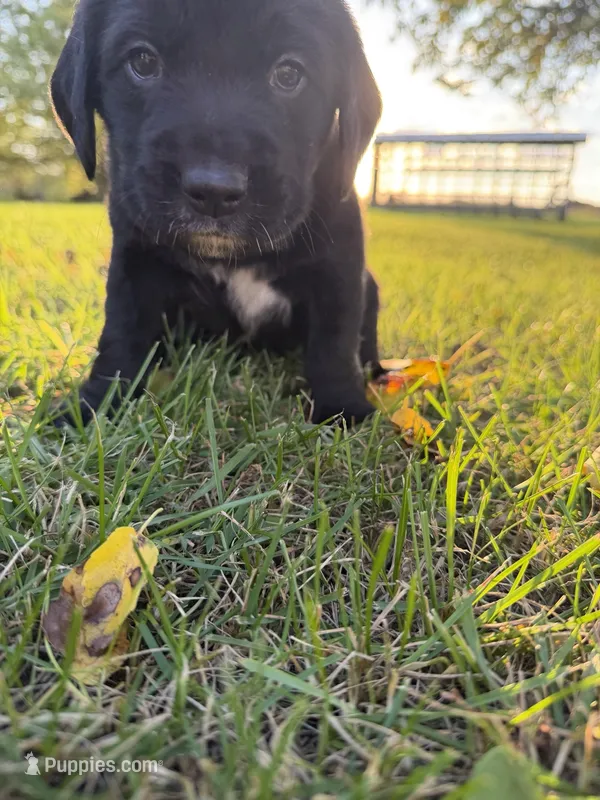
Teddy is an adorable little fellow with a beautiful black coat, soft floppy ears, and the sweetest puppy eyes! His tiny white markings on his chin, chest, and paws give him an extra touch of charm. With his cuddly teddy-bear appearance and curious little expression, he's the kind of puppy who makes you smile just by looking at him! Whether he's exploring the yard or relaxing in the sunshine, Teddy has so many wonderful memories waiting to be made with his future family.
Born September 4, 2026, Teddy is being raised in a loving country setting near Marlette, Michigan, where he has plenty of room to enjoy the outdoors, play, and grow.
Teddy's mother, Daisy, is a purebred Golden Retriever, and his father is a purebred Mountain Cur. Neither parent is registered.
Golden Retrievers are loved for their gentle, affectionate personalities and devotion to their families, while Mountain Curs are known for their intelligence, loyalty, and adventurous nature. Together, these breeds offer the potential for a wonderful family companion who enjoys both quality time with loved ones and outdoor adventures!
Health & Care: Teddy is being raised with love and attention. He has not yet received vaccinations, deworming, or a veterinary examination, so his new family can arrange these with their preferred veterinarian.
Ready for his new home: October 30, 2026, at 8 weeks old.
Location: Marlette, Michigan
Price: $350
Local pickup only
Pictures of both parents are available upon request. Feel free to reach out with any questions or to learn more about this adorable little fellow! 🖤🐾
Coat Colors:
Black
White
Coat Pattern:
Tuxedo
Why I stand out
About the breeder

Ryan K.
Member for
1 month
ID Not Verified by iDenfy
Email Address Verified
Phone Number Verified
Licenses
None for USDA
None for State


Frequently Asked Questions
About
Golden Retriever
Puppies
What is a Golden Retriever like?
Golden Retrievers embody the idea man’s best friend. They are friendly, happy-go-lucky dogs who love their people. They always have a happy, excited look on their face and are never at a loss for energy. Golden Retrievers are one of the most popular dogs ever for good reason. Full-grown, they typically weigh 55-75 pounds and stand 21-24 inches tall.
Will a Golden Retriever get along with my other pets?
Golden Retrievers are generally excellent with children of all ages. They don’t usually do very well with being outdoor dogs and may misbehave if they are kept apart from their favorite human companions for too long. Golden Retrievers usually get along alright with other pets, especially if they are raised with them from the beginning. They're relatively quiet and don't bark much.
What's the best way to exercise a Golden Retriever?
Are you active? Golden Retrievers sure are! A happy Golden Retriever gets at least an hour of exercise every day. Overall, their exercise needs are very high.
How much grooming does a Golden Retriever need?
Golden Retrievers have long hair that does require regular brushing, which will help control the amount of hair you find around your house. Even with regular brushing, you should know that Golden Retrievers do shed quite a bit. Other than brushing, it’s pretty simple : Give you Golden Retriever a bath after they play in the mud, in salt water, or in a pool, and you won’t have a smelly dog on your hands. Grooming-wise, this breed is moderate.
How much space does a Golden Retriever need?
Golden Retrievers are best suited for a home with a yard, though they can adapt to apartment life with enough exercise. In fact, they love them so much that it’s important that they live inside with you. They don’t usually do very well with being outdoor dogs and may misbehave if they are kept apart from their favorite human companions for too long. They are highly trainable and eager to learn.
Are male or female Golden Retrievers better?
Both make excellent companions, and an individual dog's personality matters more than its sex. Males are usually larger, standing 23-24 inches tall and weighing 65-75 pounds, while females typically stand 21.5-22.5 inches tall and weigh 55-65 pounds. Some owners find males a bit goofier and slower to mature and females a little more independent, but these are generalizations rather than rules.
How to crate train a Golden Retriever puppy?
Put the crate in a busy part of the house and let your Golden Retriever puppy explore it with the door open, tossing in treats and toys and serving meals inside. Once they go in happily, close the door for short periods while you're nearby and build up the time gradually, taking them outside right after they come out. Choose a crate big enough for an adult Golden and use a divider so the space grows with your puppy, and never use the crate as punishment.
What is the calmest Golden Retriever?
There is no officially calmer type of Golden Retriever, and energy level varies from dog to dog. Dogs from field lines, bred for hunting, tend to be more driven and energetic than dogs from show and pet lines, which are often described as more laid-back. Most Goldens settle down noticeably as they mature, typically around two to three years of age, but every Golden still needs plenty of daily exercise.
Can you leave a Golden Retriever alone for 8 hours?
Leaving a Golden Retriever alone for a full 8-hour day on a regular basis isn't ideal. Goldens are very social dogs that want to be with their people, and long stretches alone can lead to boredom, chewing, and separation anxiety. Adult Goldens can usually manage a few hours on their own, but a midday walk, a dog walker, or doggy daycare helps on long workdays, and puppies need breaks far more often.
Should I get 1 or 2 Golden Retrievers?
One Golden Retriever is usually the best place to start. Raising two puppies at once doubles the training and exercise workload, and littermates can bond more closely with each other than with you. Goldens are social and often enjoy canine company, so many owners add a second dog once the first is grown and well trained.
What is the silent killer in Golden Retrievers?
Cancer is the leading cause of death in Golden Retrievers, and hemangiosarcoma, a cancer of the blood vessels, is often called the silent killer because it can grow without obvious signs until it causes sudden internal bleeding. Lymphoma and bone cancer are also seen in the breed. Regular checkups with your vet, and a prompt visit if your Golden suddenly seems weak, pale, or lethargic, give the best chance of catching problems early.
What are some common behavioral issues with Golden Retrievers?
Common behavioral issues in Golden Retrievers include mouthing and chewing, jumping up on people, pulling on the leash, and getting into mischief when bored. Most of these come from their high energy and love of people rather than aggression, and they tend to be worst during their long puppy stage. Plenty of daily exercise, mental stimulation, and consistent training from an early age go a long way toward preventing them.
What is the hardest part of owning a Golden Retriever?
For many owners, the hardest parts of living with a Golden Retriever are the heavy shedding, the amount of daily exercise they need, and their long, mouthy puppyhood. Goldens also don't like being left alone for long, so they do best in homes where someone is around much of the day. Owners who can keep up with regular brushing, exercise, and training usually find these challenges well worth it.
How often should Golden Retrievers be groomed?
Brush your Golden Retriever two or three times a week to remove loose hair and prevent tangles, and plan on daily brushing during the heavy seasonal sheds in spring and fall. Trim their nails about once a month, check their ears weekly, and tidy the feathering around the feet and ears every so often. Regular brushing at home is enough for most Goldens, with an occasional trip to a groomer if you like.
How often should you bathe a Golden Retriever?
Most Golden Retrievers only need a bath every month or two, plus an extra one whenever they get muddy, roll in something, or swim in salt water or a pool. Bathing too often can strip the natural oils from their water-repellent coat and dry out their skin. Use a dog shampoo, rinse thoroughly, and dry the thick undercoat completely, since a coat left damp can lead to skin irritation.
How long do golden retriever puppies sleep?
Golden Retriever puppies typically sleep 18 to 20 hours a day, usually in short naps between bursts of play, meals, and potty breaks. That much rest is normal and supports their rapid growth. They sleep less as they mature, and adult Goldens usually sleep around 12 to 14 hours a day.
Which is calmer, a lab or a Golden Retriever?
Neither breed is reliably calmer, since both are energetic sporting dogs that need an hour or more of exercise every day. Golden Retrievers are often described as a little gentler and more mellow, while Labrador Retrievers are often seen as more boisterous, but individual personality and field or show lines matter more than the breed. Both usually settle down noticeably once they mature past their puppy years.
What are the different colors of Golden Retrievers?
Golden Retrievers come in shades of gold ranging from pale cream to deep red-gold, and the AKC standard calls for a rich, lustrous golden of various shades. Owners often describe them as light golden, golden, or dark golden. Pale cream coats are typical of English Cream Golden Retrievers, which come from English and European lines bred to the UK Kennel Club standard, which accepts cream. Darker red-gold coats are more common in dogs from field lines.
How often should you feed a Golden Retriever puppy?
Most Golden Retriever puppies do best on three or four small meals a day until about three months of age, then three meals a day until around six months, and two meals a day from then on. Feed a puppy food made for large breeds and follow the amounts on the label, adjusting as your puppy grows. Your vet can help you fine-tune portions so your Golden stays lean while growing.

Frequently Asked Questions
About
Mountain Cur
Puppies
What kind of dog is a Mountain Cur?
The Mountain Cur is a courageous hunter and protector. They are loving and affectionate toward their owners, but are very strong-minded when it comes to doing what they want. Mountain Curs can become over-protective and require an assertive, experienced owner. Full-grown, they typically weigh 30-60 pounds and stand 16-26 inches tall.
Are Mountain Curs a good choice for families with kids?
Mountain Curs are generally okay with older children who know how to handle dogs. Mountain Curs can adapt to life indoors or outdoors and generally get along well with children and other animals when raised together. However, they do have a tendency to see cats and other small furry critters as something to chase. They're very vocal and bark quite a lot.
How do I keep a Mountain Cur physically active?
The Mountain Cur’s heart sings when working a game trail for its master. They live for the thrill of the hunt and the adventure of chasing down a scent. You’ll need to plan intense daily activity for your Mountain Cur and frequent trips to areas where they are safe to roam free and follow their nose. Overall, their exercise needs are very high.
What kind of coat care does a Mountain Cur require?
Mountain Curs have a short, easy-care coat. They range in color from tan, to red, to dark brown and brindle. An occasional brushing to remove dead and loose hair is all they need to keep their coat in tip-top shape. Grooming-wise, this breed is moderate.
Where do Mountain Curs do best — city or country?
Mountain Curs are best suited for a house with a good-sized yard. Mountain Curs fit best in rural homes where they have plenty of safe space to play and are happiest in families that will take them hunting. They need plenty of time outdoors every day, as well as lots of interaction with humans. They are highly trainable and eager to learn.

Puppy Buyer's FAQ
See Full Guide Here
Visit or Video Call the Breeder
Visit in person if possible, or request a live video call to meet the puppy, see its living conditions, and meet the mom. Ask to see where the dogs eat, sleep, and play.
Get a Vet Exam Immediately
Have a vet examine the puppy within two days of bringing it home, even if it seems healthy.
Request Complete Health Records
Ask for vaccination records, deworming history, and vet exam results. For purebreds, ask for parent health clearances.
Get Everything in Writing
Written contract with health guarantees, return/refund policy, and spay/neuter terms. Verbal promises are unenforceable.
Use Secure Payment Methods
Pay with a credit card or another traceable method that offers buyer protection. Avoid wire transfers, crypto, or gift cards, which are difficult to recover.
Verify Breeder Credentials
Check USDA license, state breeder license, breed club memberships, and reviews. Ask for buyer references.
Know What to Look For
A trustworthy breeder welcomes visits, specializes in one or two breeds, prices fairly, and gives you time to decide without pressure.
Know Your State's Laws
Some states have lemon laws; others rely on contract law. Know your rights before you buy.